

kymnjoro
Elder Lister
A government official warned him that he would not leave Busia alive. Three days later, Bishop Alexander Muge was dead. Bishop Alexander Muge of the Anglican Church of Kenya was a fierce critic of the Daniel arap Moi government. From his pulpit in Eldoret, he spoke openly against corruption, land grabbing, tribalism and political repression. Together with other church leaders such as Bishop Henry Okullu, he became a powerful voice in the push for political reform and human rights.
By 1990, Muge was openly demanding the resignation of the government and fresh elections. His activism had made him a target of intense political hostility.
Then came the warning.
In August 1990, Labour Minister Peter Okondo reportedly warned publicly that if Bishop Muge set foot in Busia District, he would not leave alive. Muge did not back down. He reportedly responded that if anything happened to him, his innocent blood would haunt those responsible.
On August 14, 1990, Muge went to Busia as planned. After completing his visit, he began the journey back to Eldoret.
Near Kipkaren in Uasin Gishu, his vehicle collided with a truck.
Bishop Muge died instantly. He was only 44.
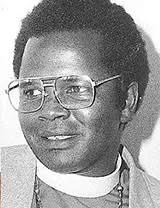
The government treated his death as a road accident. But the circumstances immediately raised suspicion, especially because of the public threat that had preceded his visit to Busia. Questions were also raised about what happened to the truck driver after the crash.
Years later, allegations presented before the Truth, Justice and Reconciliation Commission revived the claim that Muge’s death was not an ordinary accident, but part of an operation intended to silence him.
Whether one accepts those allegations or not, one fact remains undeniable: Muge had become one of the most outspoken religious voices challenging the political order of his time, and his death became one of the defining tragedies of Kenya’s struggle for the Second Liberation.
Bishop Alexander Muge became a symbol of what it meant to speak truth to power when speaking truth could cost you your life.
His story remains one of the darkest chapters in Kenya’s political history.
By 1990, Muge was openly demanding the resignation of the government and fresh elections. His activism had made him a target of intense political hostility.
Then came the warning.
In August 1990, Labour Minister Peter Okondo reportedly warned publicly that if Bishop Muge set foot in Busia District, he would not leave alive. Muge did not back down. He reportedly responded that if anything happened to him, his innocent blood would haunt those responsible.
On August 14, 1990, Muge went to Busia as planned. After completing his visit, he began the journey back to Eldoret.
Near Kipkaren in Uasin Gishu, his vehicle collided with a truck.
Bishop Muge died instantly. He was only 44.
The government treated his death as a road accident. But the circumstances immediately raised suspicion, especially because of the public threat that had preceded his visit to Busia. Questions were also raised about what happened to the truck driver after the crash.
Years later, allegations presented before the Truth, Justice and Reconciliation Commission revived the claim that Muge’s death was not an ordinary accident, but part of an operation intended to silence him.
Whether one accepts those allegations or not, one fact remains undeniable: Muge had become one of the most outspoken religious voices challenging the political order of his time, and his death became one of the defining tragedies of Kenya’s struggle for the Second Liberation.
Bishop Alexander Muge became a symbol of what it meant to speak truth to power when speaking truth could cost you your life.
His story remains one of the darkest chapters in Kenya’s political history.