

kymnjoro
Elder Lister
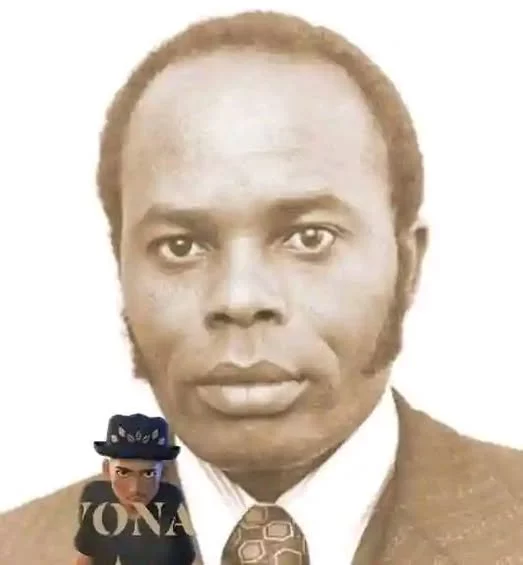
DARIUS MBELA: THE MAN WHO MILKED THE GIANT KILIFI CASHEWNUT FACTORY DRY
In the early 1970s, a large cashewnut processing factory was built in Kilifi district at Mokoroshoni, five kilometers from Kilifi town, becoming the economic heartbeat of the town and the wider Coast region. Decades later, after a turbulent journey through privatization, mismanagement and debt, the plant shut its gates leaving thousands jobless and an entire farming community in limbo.
The Kilifi cashew factory was established in the early 1970s as a state-owned (parastatal) processor, initially in a joint venture between the Kenyan government and an Italian company that supplied the processing machinery. It was set up to add value to coastal cashew production, which had been growing since the 1920s, and quickly became the main buyer and processor for smallholder farmers across the Coast.
At its peak, the plant ran around the clock on three shifts, employed roughly 2,000 permanent workers and up to 5,000 casuals, and processed tens of thousands of tonnes of raw nuts annually. For Mokoroshoni township, the factory was more than an employer, it powered shops, transport, housing and local services, turning the area into a bustling industrial hub.
Through the 1970s and into the 1980s, the factory—then known as Kenya Cashewnut Limited (KCL) was a flagship parastatal. John Safari Mumba, who later chaired a national cashew task force, served as managing director from 1982 to 1987, a period remembered by many as golden years marked with profitability and relatively well structured growth.
Then he was transferred from the company and General Manager Darius Mbela appointed Managing Director.
Immediately, pressures began building. Cooperative societies that supplied raw nuts began to weaken under political interference and poor governance in the post Mumba era reducing reliable throughput to the plant. At the same time, global competition intensified and the factory’s cost