

kymnjoro
Elder Lister
For decades, British American Tobacco (BAT) dominated Kenya’s cigarette industry. Then one Kenyan decided to challenge the multinational company on its own turf. His name was Wilfred Murungi.
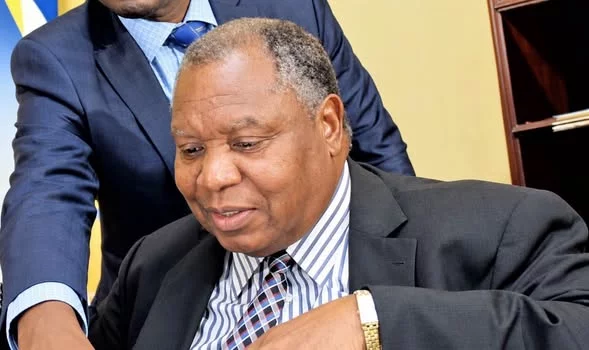
Murungi was an electrical engineer who began his career at Kenya Power before joining British American Tobacco Kenya. He eventually rose to the position of technical director, gaining valuable experience and learning the cigarette manufacturing business from inside one of the world’s largest tobacco companies.
After years of working for BAT, Murungi eventually decided it was time to build something of his own. In 1985, he left the company and embarked on a new journey that would eventually make him one of Kenya’s most successful and private businessmen.
Rather than starting a small enterprise, Murungi set out to establish a company that could compete directly with his former employer. He spent the next few years working with tobacco farmers and putting in place the processing and manufacturing infrastructure required to produce cigarettes locally.
In 1987, Mastermind Tobacco Kenya was incorporated. Two years later, Murungi introduced Supermatch, a cigarette brand that would become widely known across the country. The product was particularly aimed at price-sensitive consumers, including smokers in rural and lower-income markets.
Mastermind later introduced Rocket, a filterless cigarette targeted at the lower end of the market. The arrival of these brands changed the competitive landscape, giving BAT a serious locally owned competitor.
By 2002, BAT’s share of the Kenyan cigarette market had reportedly declined from around 90 percent to approximately 71 percent, while Mastermind had captured about 22 percent, making it the second-largest cigarette manufacturer in the country.
Murungi’s business interests, however, went beyond tobacco. Over the years, he became involved in several companies and served on various boards, with interests associated with businesses such as ARM Cement, Athi River Power Company, Greenlands Agro Producers, NGM Company, Continental Tobacco Group, Nanyuki Ranching, Ozzbeco Breweries, Remu Microfinance Bank, Mitithiru Company and Tobacco Commodities Inc. in Canada.
His business empire also brought him into a prolonged dispute with the Kenya Revenue Authority over taxes running into billions of shillings. The matter became significant enough to reach the courts and attract attention in Parliament.
Then came another controversy. In 2015, BBC’s Panorama reported allegations that BAT had engaged in espionage targeting Mastermind Tobacco. BAT strongly denied the allegations, but the claims added another dramatic chapter to the rivalry between the two companies.
Despite the size of his business empire, Murungi himself remained remarkably private. He rarely appeared in the media and generally avoided the publicity that often comes with enormous wealth. His businesses were well known, but the man behind them preferred to remain in the background.
In his home area of Tharaka-Nithi, he developed a reputation as an extremely private man. Some locals reportedly knew his homes simply as the residences of a wealthy businessman, even though they rarely saw him in person. His compounds were heavily guarded, and visitors reportedly had to pass through several gates before reaching the main residence.
Away from business, however, Murungi was also involved in community development. He supported schools and students in his home area and contributed to various local projects. Among the initiatives associated with him was support for Kiurani Secondary School, including a school bus and assistance toward the construction of a multipurpose hall.
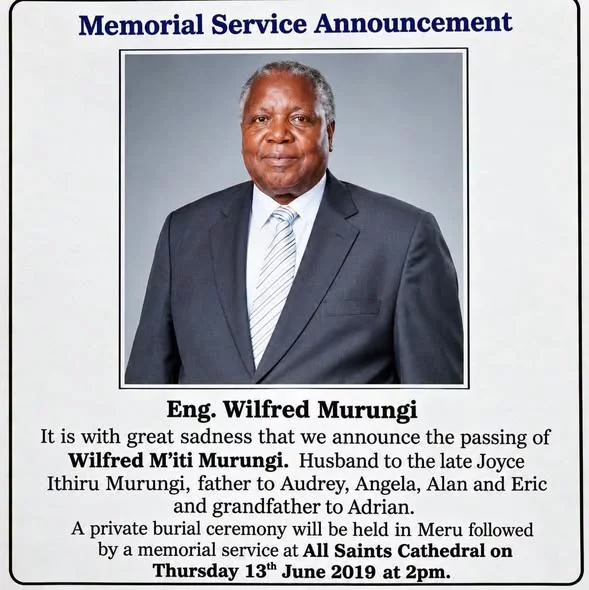
Then, in June 2019, the businessman who had spent more than three decades building Mastermind Tobacco died in his early seventies after being unwell for some time.
His final journey was unlike the funeral of many prominent Kenyans.

His body was reportedly flown by helicopter to Kiurani Primary School in Tharaka-Nithi, where a Mercedes-Benz hearse was waiting. The coffin was transferred from the helicopter into the hearse and driven for about a kilometre to his home in Magutuni.
Once the procession reached the home, the gates were closed and security was tightened around the compound. Members of the public were kept away, while journalists were reportedly denied access.
Only a small number of people were allowed inside for the burial ceremony, with reports stating that just eight family members were permitted to attend.
There was no large public gathering, no public viewing of the coffin and no photographs of the burial. Even some of the people who had helped prepare the grave were reportedly instructed to remain outside during the actual ceremony and only returned afterward to complete the work.
The entire burial reportedly lasted about one hour.
After the ceremony, the family departed, with helicopters taking them back to Nairobi.
For a man who had built a major Kenyan tobacco company, accumulated considerable wealth and become one of the country’s most private tycoons, his final farewell was remarkably quiet.
Murungi had spent his life building businesses, challenging established corporations and expanding his investments. Yet he remained largely hidden from the public eye.
Perhaps that was simply who he was.
His businesses were known across Kenya, but the man behind them remained largely unknown.
Private in life. Private in business. And, ultimately, private in death.
Murungi was an electrical engineer who began his career at Kenya Power before joining British American Tobacco Kenya. He eventually rose to the position of technical director, gaining valuable experience and learning the cigarette manufacturing business from inside one of the world’s largest tobacco companies.
After years of working for BAT, Murungi eventually decided it was time to build something of his own. In 1985, he left the company and embarked on a new journey that would eventually make him one of Kenya’s most successful and private businessmen.
Rather than starting a small enterprise, Murungi set out to establish a company that could compete directly with his former employer. He spent the next few years working with tobacco farmers and putting in place the processing and manufacturing infrastructure required to produce cigarettes locally.
In 1987, Mastermind Tobacco Kenya was incorporated. Two years later, Murungi introduced Supermatch, a cigarette brand that would become widely known across the country. The product was particularly aimed at price-sensitive consumers, including smokers in rural and lower-income markets.
Mastermind later introduced Rocket, a filterless cigarette targeted at the lower end of the market. The arrival of these brands changed the competitive landscape, giving BAT a serious locally owned competitor.
By 2002, BAT’s share of the Kenyan cigarette market had reportedly declined from around 90 percent to approximately 71 percent, while Mastermind had captured about 22 percent, making it the second-largest cigarette manufacturer in the country.
Murungi’s business interests, however, went beyond tobacco. Over the years, he became involved in several companies and served on various boards, with interests associated with businesses such as ARM Cement, Athi River Power Company, Greenlands Agro Producers, NGM Company, Continental Tobacco Group, Nanyuki Ranching, Ozzbeco Breweries, Remu Microfinance Bank, Mitithiru Company and Tobacco Commodities Inc. in Canada.
His business empire also brought him into a prolonged dispute with the Kenya Revenue Authority over taxes running into billions of shillings. The matter became significant enough to reach the courts and attract attention in Parliament.
Then came another controversy. In 2015, BBC’s Panorama reported allegations that BAT had engaged in espionage targeting Mastermind Tobacco. BAT strongly denied the allegations, but the claims added another dramatic chapter to the rivalry between the two companies.
Despite the size of his business empire, Murungi himself remained remarkably private. He rarely appeared in the media and generally avoided the publicity that often comes with enormous wealth. His businesses were well known, but the man behind them preferred to remain in the background.
In his home area of Tharaka-Nithi, he developed a reputation as an extremely private man. Some locals reportedly knew his homes simply as the residences of a wealthy businessman, even though they rarely saw him in person. His compounds were heavily guarded, and visitors reportedly had to pass through several gates before reaching the main residence.
Away from business, however, Murungi was also involved in community development. He supported schools and students in his home area and contributed to various local projects. Among the initiatives associated with him was support for Kiurani Secondary School, including a school bus and assistance toward the construction of a multipurpose hall.
Then, in June 2019, the businessman who had spent more than three decades building Mastermind Tobacco died in his early seventies after being unwell for some time.
His final journey was unlike the funeral of many prominent Kenyans.
His body was reportedly flown by helicopter to Kiurani Primary School in Tharaka-Nithi, where a Mercedes-Benz hearse was waiting. The coffin was transferred from the helicopter into the hearse and driven for about a kilometre to his home in Magutuni.
Once the procession reached the home, the gates were closed and security was tightened around the compound. Members of the public were kept away, while journalists were reportedly denied access.
Only a small number of people were allowed inside for the burial ceremony, with reports stating that just eight family members were permitted to attend.
There was no large public gathering, no public viewing of the coffin and no photographs of the burial. Even some of the people who had helped prepare the grave were reportedly instructed to remain outside during the actual ceremony and only returned afterward to complete the work.
The entire burial reportedly lasted about one hour.
After the ceremony, the family departed, with helicopters taking them back to Nairobi.
For a man who had built a major Kenyan tobacco company, accumulated considerable wealth and become one of the country’s most private tycoons, his final farewell was remarkably quiet.
Murungi had spent his life building businesses, challenging established corporations and expanding his investments. Yet he remained largely hidden from the public eye.
Perhaps that was simply who he was.
His businesses were known across Kenya, but the man behind them remained largely unknown.
Private in life. Private in business. And, ultimately, private in death.