

wakimani
Elder Lister
The Controversial Story of Kenyan Imam Whose Fiery Sermons Terrified America… and then Predicted His Own Death.
As the world was watching Israel’s war in Gaza unfold, Palestinians were being killed in devastating numbers, often as the rest of the world appeared to watch in near silence. Somewhere in Jannah, a Kenyan Sheikh must have been deeply disappointed, looking down at a world that seemed to have grown numb to the suffering of innocent people.
That Sheikh was none other than Aboud Rogo.
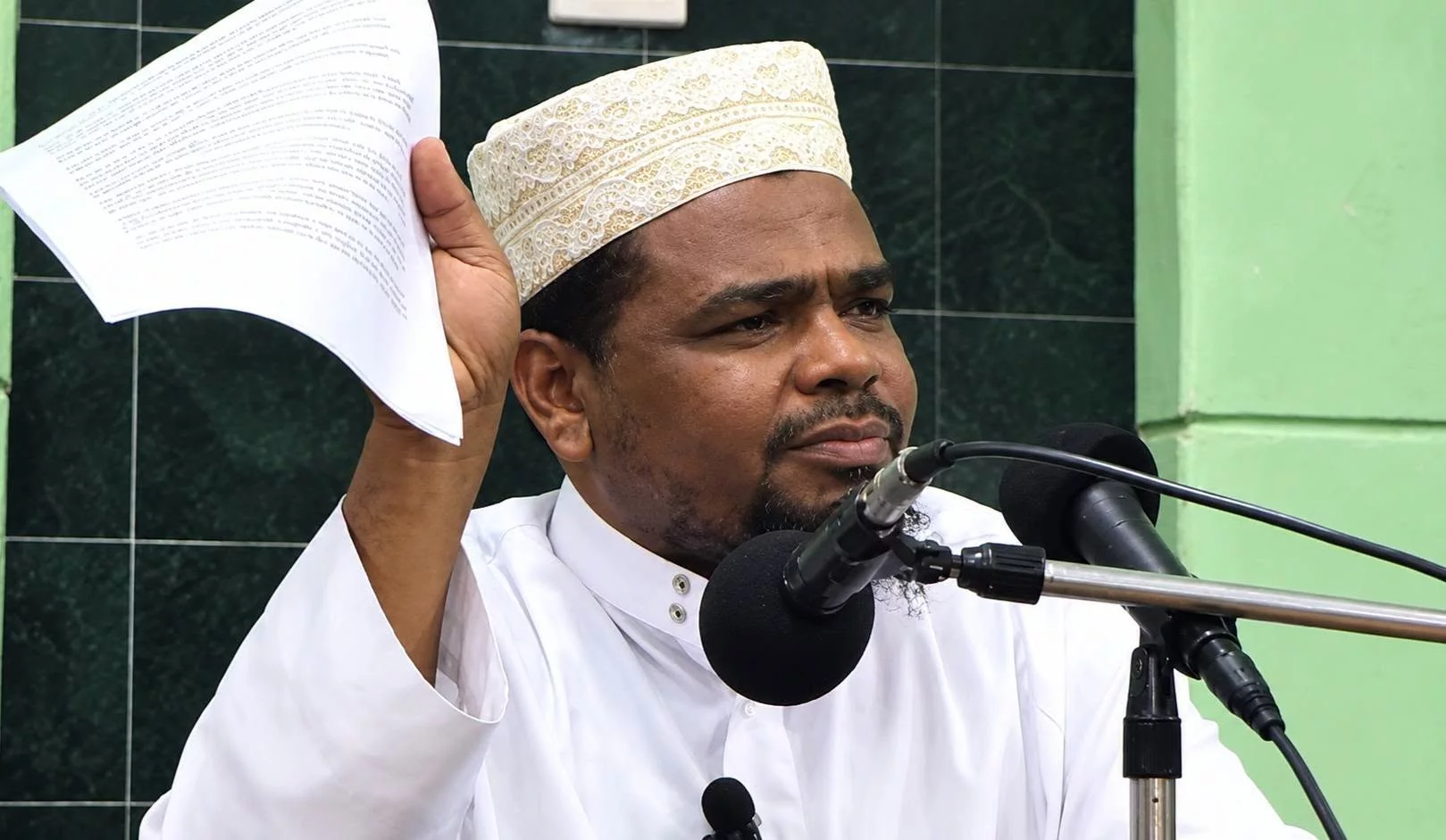
A fearless imam, born in 1968 and raised in the quiet village of Siyu on Pate Island, Lamu. But this was no ordinary Sheikh. Behind the calm of the island was a man whose fiery sermons would eventually make him one of America’s biggest nightmares.
His words were bold, uncompromising, and impossible to ignore. And before long, Aboud Rogo had become a name that sent ripples far beyond the shores of Kenya.
But before the fiery sermons, the controversy, and the name that would later become known around the world, there was a young Aboud Rogo searching for knowledge.
His journey as an Imam began at Kisauni Islamic Institute, where he immersed himself in Islamic studies. Unfortunately, financial constraints eventually forced him to drop out. But even though his education was cut short, something far more profound had already taken root his faith.
It was at Kisauni where Aboud Rogo’s Islamic foundation was cemented, laying the groundwork for the man he would later become.
However, unlike most Imams, Aboud Rogo was different.
His interests went beyond religion. He was deeply drawn to politics, power, and the affairs of the state — a passion that, according to accounts of his early influences, was nurtured by his teacher, Sheikh Abdul Rimo.
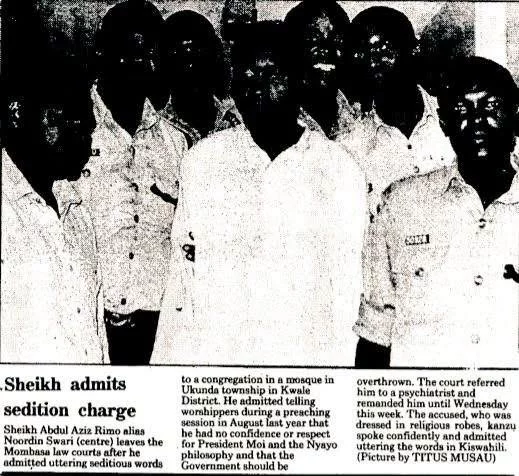
Abdul Rimo himself was no stranger to controversy. In 1990, he was charged in court after allegedly saying that the government should be overthrown.
For the young Rogo, this was more than just a lesson in religion. It exposed him to a world where faith and politics could collide and where words could challenge those in power.
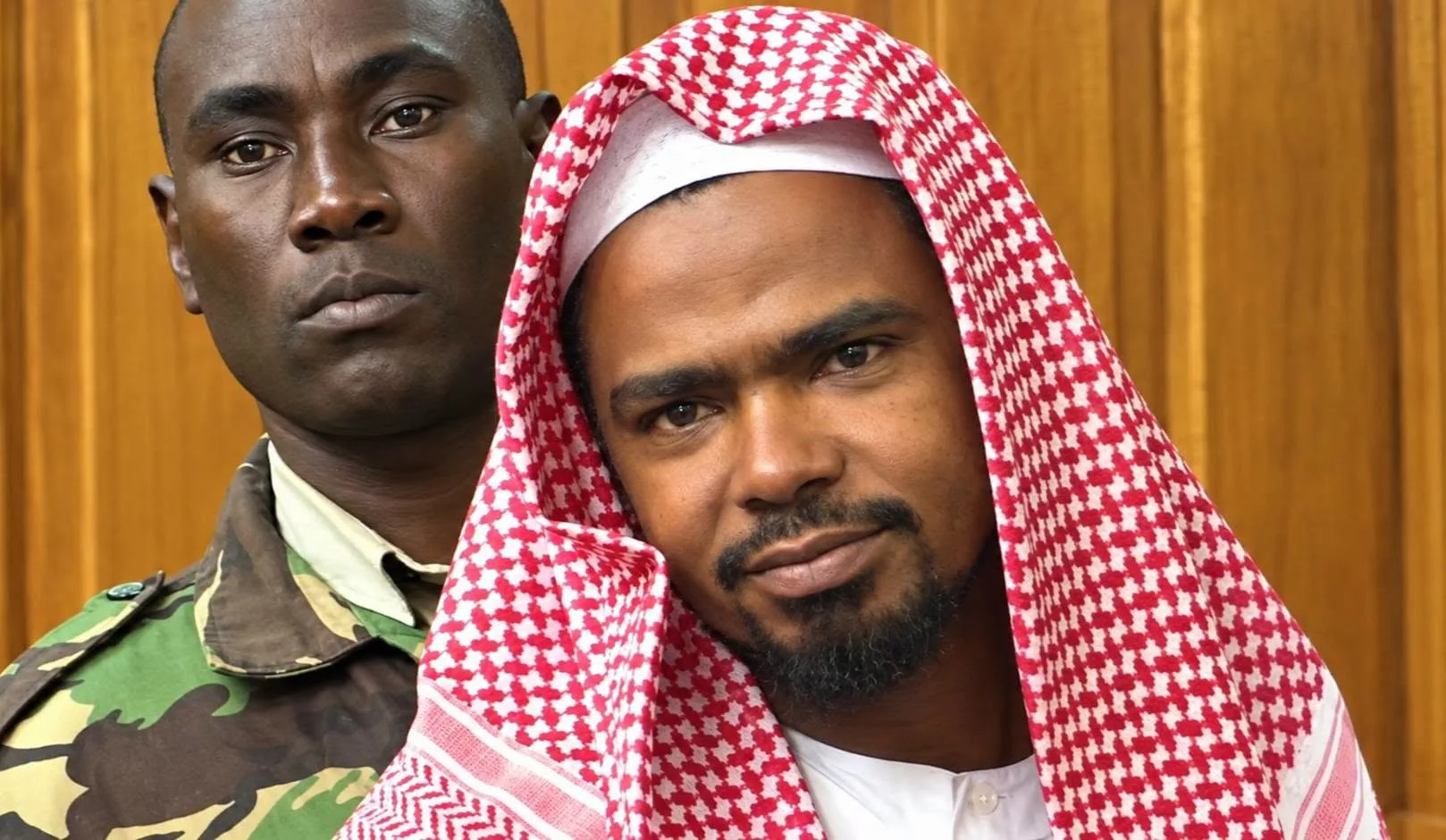
The arrest of his teacher led him to join the Islamic Party of Kenya as a youth activist & contest for a councillor seat in 1992 but was unsuccessful.
However this failure did nothing but push his political ideologies from campaign podiums to the Mosque pulpit.
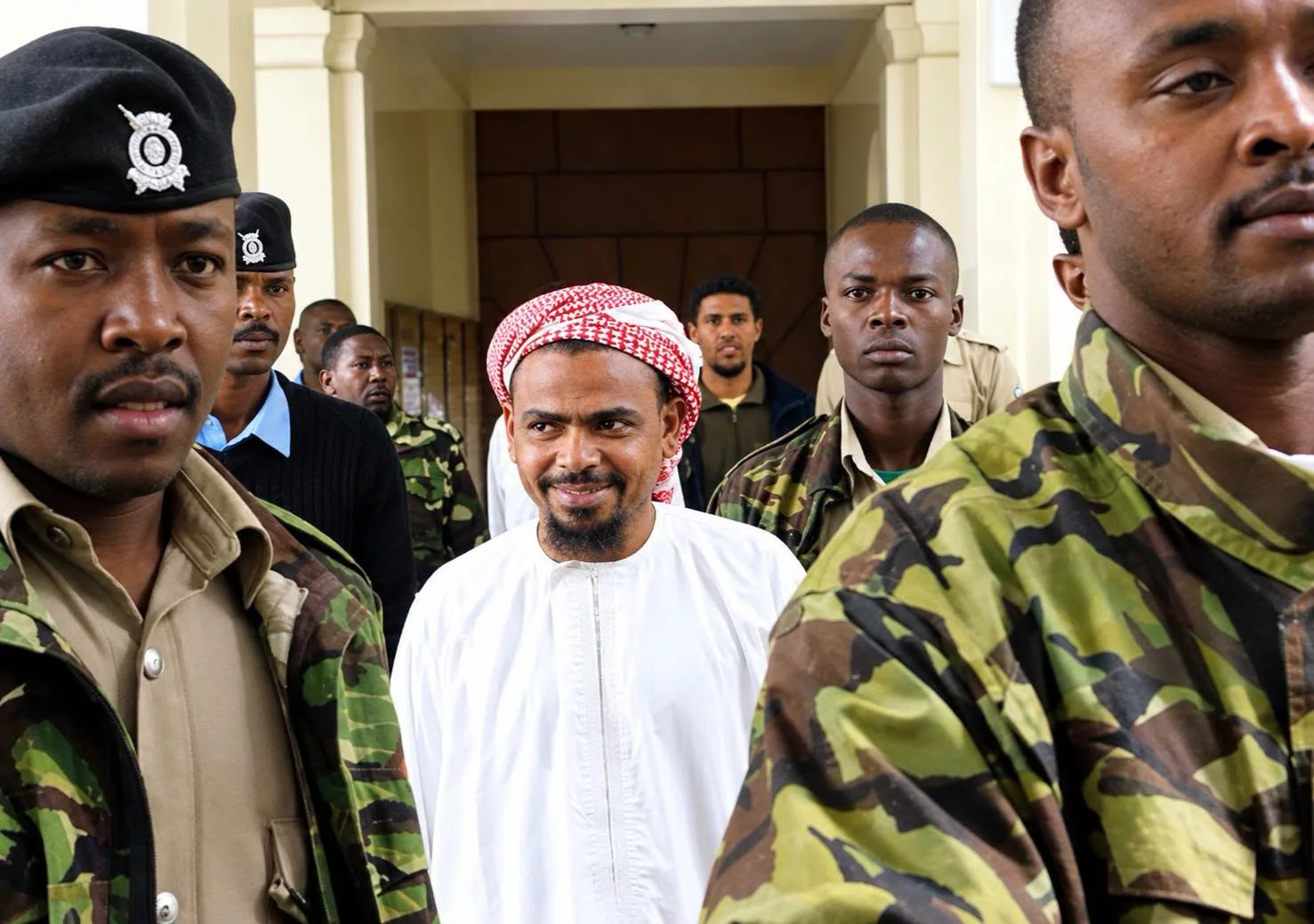
There he knew he was unbeaten.
He delivered radical sermons where he envisioned a world ruled by Muslims only.
This enabled him to acquire terrorist pals like Fazul Mohammed who planned the 1998 US Embassy bombing in Nairobi & TZ
Rogo helped Fazul get a Kenyan wife & in 28 Nov 2002, Fazul led 2 attacks against Israel in Kenya.
One was Kikambala Paradise Hotel which he used suicide bombers & car bombs killing 15 people.
En the 2nd attack was on this Israel charter plane Arkia Boeng 757 - 300 which was fired at by surface to air missiles by attackers.
Gladly they missed the target saving over 200 passengers on board.
These events bust Aboud Rogo into limelight after he was charged with the murder caused by these bombings in 2003.
Together with others they were charged with 13 counts of murder with no plea deal in 2003.
But after spending more than two years behind the walls of Kamiti Maximum Prison, the long wait finally came to an end.
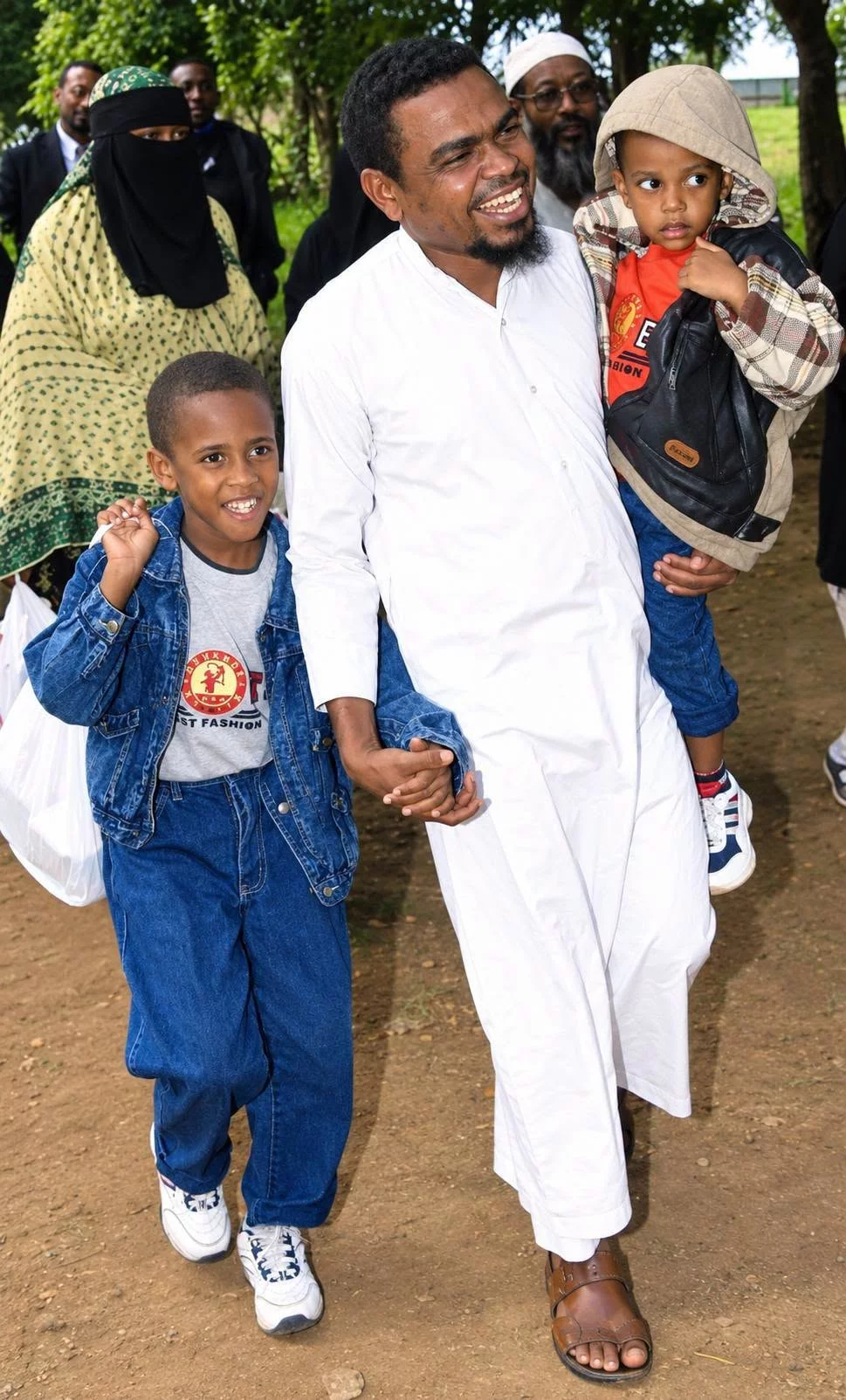
On 9th June 2005, Rogo and his co-accused walked free after the prosecution failed to prove that they were linked to the suicide bombers.
After years of confinement, the prison gates finally opened.
Rogo walked out with his head held high a free man once again, but now carrying a name that would become even more controversial in the years that followed.
After his release, Rogo returned to the pulpit, once again preaching the word of Allah. But his sermons were far from ordinary.
He began openly criticizing what he described as the “joke” of Islam being practiced in Kenya, urging Muslims to return to what he considered the original teachings of their faith.
But his rhetoric went beyond religion.
Rogo was fiercely hostile toward America and its government, whom he portrayed as the biggest enemies of Muslims and their faith. These views became a recurring theme in his sermons, where he also took aim at the Kenyan government, particularly over taxation and what he saw as the burdens being placed on ordinary Kenyans.
At one point, he even encouraged his followers to consider moving to Somalia, portraying it as a place where Muslims could supposedly live a more bearable life.
With every sermon, his voice grew louder and so did the attention of those watching him.
When the gvt extradited Kenyans who were suspected to be behind the July 2010 Kampala twin bombings that killed 70+ revellers who were watching World Cup, he criticized this as cowardice
And when Prez Kibaki announced Operation Linda Nchi in Oct 2011 where Kenyan troops entered Somalia, Aboud Rogo used this as a rallying call.
He said that the alshabaab needed help from Kenyan muslims.
Asking them not to listen to gvt propaganda about Al shabaab while describing how they'd be treated once they arrived in Somalia by the terrorists.
He also urged young men not to listen to other Sheikhs who called him out for misleading youths since they didn't subscribe to his school of Jihad thought.
However, by 29 January 2012, the story had taken a darker turn.
Rogo was arrested at his home in Kikambala, where authorities said they found him in possession of hand grenades and explosive materials.
What followed only intensified the scrutiny surrounding him. Weeks later, media reports linked him to the recruitment of fighters for Al-Shabaab, allegations that would place him firmly under the international spotlight.
Then came another blow.
The US government sanctioned Rogo and two of his associates, accusing them of being Al-Shabaab sympathizers and of supporting the militant group.
And the pressure did not stop there.
Weeks later, the UN Security Council’s sanctions committee added Rogo to its list of individuals accused of supporting Al-Shabaab.
The man who had once stood behind a mosque pulpit delivering fiery sermons was now being named in international sanctions and his name had travelled far beyond Kenya.
That was the last nail in the coffin and Rogo seemed to know it.
With the government now after him kwa udi na ambari, his final sermons carried a chilling message. He began preparing his followers for what he believed was coming, warning them about his possible death.
Then, on 27 August 2012, it happened.
Rogo was driving along the Mombasa-Malindi road when a vehicle pulled alongside his car. In what was described as a near-perfect drive-by shooting, bullets were fired into his vehicle.
Aboud Rogo was dead.
The news travelled fast, making headlines far beyond Kenya. But while the world was absorbing the shocking news, Mombasa was preparing to erupt.
In the streets, angry youths many of them ardent followers of Rogo at Masjid Musa took to the streets to protest what they believed was an extrajudicial killing. A church and several vehicles were torched as the protests turned violent.
And just like that, the death of one controversial Sheikh had opened an even bigger wound one that would expose the deep anger, mistrust and radicalisation simmering beneath the surface of Kenya’s Coast.
As the world was watching Israel’s war in Gaza unfold, Palestinians were being killed in devastating numbers, often as the rest of the world appeared to watch in near silence. Somewhere in Jannah, a Kenyan Sheikh must have been deeply disappointed, looking down at a world that seemed to have grown numb to the suffering of innocent people.
That Sheikh was none other than Aboud Rogo.
A fearless imam, born in 1968 and raised in the quiet village of Siyu on Pate Island, Lamu. But this was no ordinary Sheikh. Behind the calm of the island was a man whose fiery sermons would eventually make him one of America’s biggest nightmares.
His words were bold, uncompromising, and impossible to ignore. And before long, Aboud Rogo had become a name that sent ripples far beyond the shores of Kenya.
But before the fiery sermons, the controversy, and the name that would later become known around the world, there was a young Aboud Rogo searching for knowledge.
His journey as an Imam began at Kisauni Islamic Institute, where he immersed himself in Islamic studies. Unfortunately, financial constraints eventually forced him to drop out. But even though his education was cut short, something far more profound had already taken root his faith.
It was at Kisauni where Aboud Rogo’s Islamic foundation was cemented, laying the groundwork for the man he would later become.
However, unlike most Imams, Aboud Rogo was different.
His interests went beyond religion. He was deeply drawn to politics, power, and the affairs of the state — a passion that, according to accounts of his early influences, was nurtured by his teacher, Sheikh Abdul Rimo.
Abdul Rimo himself was no stranger to controversy. In 1990, he was charged in court after allegedly saying that the government should be overthrown.
For the young Rogo, this was more than just a lesson in religion. It exposed him to a world where faith and politics could collide and where words could challenge those in power.
The arrest of his teacher led him to join the Islamic Party of Kenya as a youth activist & contest for a councillor seat in 1992 but was unsuccessful.
However this failure did nothing but push his political ideologies from campaign podiums to the Mosque pulpit.
There he knew he was unbeaten.
He delivered radical sermons where he envisioned a world ruled by Muslims only.
This enabled him to acquire terrorist pals like Fazul Mohammed who planned the 1998 US Embassy bombing in Nairobi & TZ
Rogo helped Fazul get a Kenyan wife & in 28 Nov 2002, Fazul led 2 attacks against Israel in Kenya.
One was Kikambala Paradise Hotel which he used suicide bombers & car bombs killing 15 people.
En the 2nd attack was on this Israel charter plane Arkia Boeng 757 - 300 which was fired at by surface to air missiles by attackers.
Gladly they missed the target saving over 200 passengers on board.
These events bust Aboud Rogo into limelight after he was charged with the murder caused by these bombings in 2003.
Together with others they were charged with 13 counts of murder with no plea deal in 2003.
But after spending more than two years behind the walls of Kamiti Maximum Prison, the long wait finally came to an end.
On 9th June 2005, Rogo and his co-accused walked free after the prosecution failed to prove that they were linked to the suicide bombers.
After years of confinement, the prison gates finally opened.
Rogo walked out with his head held high a free man once again, but now carrying a name that would become even more controversial in the years that followed.
After his release, Rogo returned to the pulpit, once again preaching the word of Allah. But his sermons were far from ordinary.
He began openly criticizing what he described as the “joke” of Islam being practiced in Kenya, urging Muslims to return to what he considered the original teachings of their faith.
But his rhetoric went beyond religion.
Rogo was fiercely hostile toward America and its government, whom he portrayed as the biggest enemies of Muslims and their faith. These views became a recurring theme in his sermons, where he also took aim at the Kenyan government, particularly over taxation and what he saw as the burdens being placed on ordinary Kenyans.
At one point, he even encouraged his followers to consider moving to Somalia, portraying it as a place where Muslims could supposedly live a more bearable life.
With every sermon, his voice grew louder and so did the attention of those watching him.
When the gvt extradited Kenyans who were suspected to be behind the July 2010 Kampala twin bombings that killed 70+ revellers who were watching World Cup, he criticized this as cowardice
And when Prez Kibaki announced Operation Linda Nchi in Oct 2011 where Kenyan troops entered Somalia, Aboud Rogo used this as a rallying call.
He said that the alshabaab needed help from Kenyan muslims.
Asking them not to listen to gvt propaganda about Al shabaab while describing how they'd be treated once they arrived in Somalia by the terrorists.
He also urged young men not to listen to other Sheikhs who called him out for misleading youths since they didn't subscribe to his school of Jihad thought.
However, by 29 January 2012, the story had taken a darker turn.
Rogo was arrested at his home in Kikambala, where authorities said they found him in possession of hand grenades and explosive materials.
What followed only intensified the scrutiny surrounding him. Weeks later, media reports linked him to the recruitment of fighters for Al-Shabaab, allegations that would place him firmly under the international spotlight.
Then came another blow.
The US government sanctioned Rogo and two of his associates, accusing them of being Al-Shabaab sympathizers and of supporting the militant group.
And the pressure did not stop there.
Weeks later, the UN Security Council’s sanctions committee added Rogo to its list of individuals accused of supporting Al-Shabaab.
The man who had once stood behind a mosque pulpit delivering fiery sermons was now being named in international sanctions and his name had travelled far beyond Kenya.
That was the last nail in the coffin and Rogo seemed to know it.
With the government now after him kwa udi na ambari, his final sermons carried a chilling message. He began preparing his followers for what he believed was coming, warning them about his possible death.
Then, on 27 August 2012, it happened.
Rogo was driving along the Mombasa-Malindi road when a vehicle pulled alongside his car. In what was described as a near-perfect drive-by shooting, bullets were fired into his vehicle.
Aboud Rogo was dead.
The news travelled fast, making headlines far beyond Kenya. But while the world was absorbing the shocking news, Mombasa was preparing to erupt.
In the streets, angry youths many of them ardent followers of Rogo at Masjid Musa took to the streets to protest what they believed was an extrajudicial killing. A church and several vehicles were torched as the protests turned violent.
And just like that, the death of one controversial Sheikh had opened an even bigger wound one that would expose the deep anger, mistrust and radicalisation simmering beneath the surface of Kenya’s Coast.