

wakimani
Elder Lister
Paul Kiplimo Boit started out as a teacher, long before he became one of Nandi's most respected leaders.
He was born in 1906 in Kipkuti village, in Nandi, and grew up during the colonial period. He finished his schooling at what was then known as Kapsabet Government African School. At the time, he didn't have the money to continue his studies right away, so he turned to teaching instead. He worked at both mission schools and government schools, and one of his pupils was a young Daniel arap Moi, who would go on to become Kenya's president.
But Boit's story didn't end in the classroom. In 1946, he left teaching behind and became a cattle auctioneer, traveling around Nandi and working closely with livestock traders. From there, he moved into farming, at a time when large scale farming was mostly something white settlers did, not Africans. He built up a big dairy operation, raising Guernsey cattle and supplying milk to the Cow & Gate plant in Eldoret. According to his biography, he was the first African supplier to that plant.
His achievements kept growing. In March 1961, he became the first African individual to hold shares in Kenya Cooperative Creameries, known as KCC.
Over time, his influence spread beyond farming into public life. He joined the Nandi African District Council in 1955, and after Kenya gained independence, he became chairman of the Sirikwa County Council in 1964, a role he held until the council was dissolved in 1971. Later on, he also chaired the Wareng County Council.
One of the things he cared about most was education. He helped start several schools, including Kapkong Primary, Paul Boit Boys High School and Sugoi Girls. He believed strongly that education was key to lifting up his community.
Looking at his life as a whole, Paul Boit wore many hats. He was a teacher, a farmer, a local government leader, a community builder and a political figure, all rolled into one remarkable life.
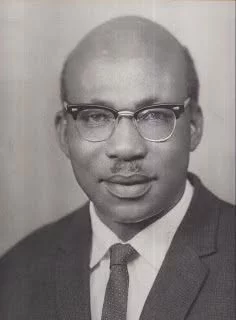
He was born in 1906 in Kipkuti village, in Nandi, and grew up during the colonial period. He finished his schooling at what was then known as Kapsabet Government African School. At the time, he didn't have the money to continue his studies right away, so he turned to teaching instead. He worked at both mission schools and government schools, and one of his pupils was a young Daniel arap Moi, who would go on to become Kenya's president.
But Boit's story didn't end in the classroom. In 1946, he left teaching behind and became a cattle auctioneer, traveling around Nandi and working closely with livestock traders. From there, he moved into farming, at a time when large scale farming was mostly something white settlers did, not Africans. He built up a big dairy operation, raising Guernsey cattle and supplying milk to the Cow & Gate plant in Eldoret. According to his biography, he was the first African supplier to that plant.
His achievements kept growing. In March 1961, he became the first African individual to hold shares in Kenya Cooperative Creameries, known as KCC.
Over time, his influence spread beyond farming into public life. He joined the Nandi African District Council in 1955, and after Kenya gained independence, he became chairman of the Sirikwa County Council in 1964, a role he held until the council was dissolved in 1971. Later on, he also chaired the Wareng County Council.
One of the things he cared about most was education. He helped start several schools, including Kapkong Primary, Paul Boit Boys High School and Sugoi Girls. He believed strongly that education was key to lifting up his community.
Looking at his life as a whole, Paul Boit wore many hats. He was a teacher, a farmer, a local government leader, a community builder and a political figure, all rolled into one remarkable life.