

kymnjoro
Elder Lister
The Man Who Crossed Worlds
A Reflection on Late Captain Austin Obuya (1951–1989)

There is a particular kind of sadness that belongs to lives which were brief but wide.
Captain Austin Obuya lived thirty-eight years, and in those years he was a schoolboy, a soldier, an aviator, a pilot instructor in a foreign air force, an airline man, a teacher, a father twice over in two countries, and then, quietly, a memory.
He was born in 1951 in Nyakach, in western Kenya, the family home near Katito at Nyamarumbe.
He went to Mang'u High School, where the recollection that has survived is almost a parable: he was often absent, and still, "number one was left for him." Whatever else can be questioned in a story passed down by word of mouth, that image holds , a boy who did not need to be present to be first.
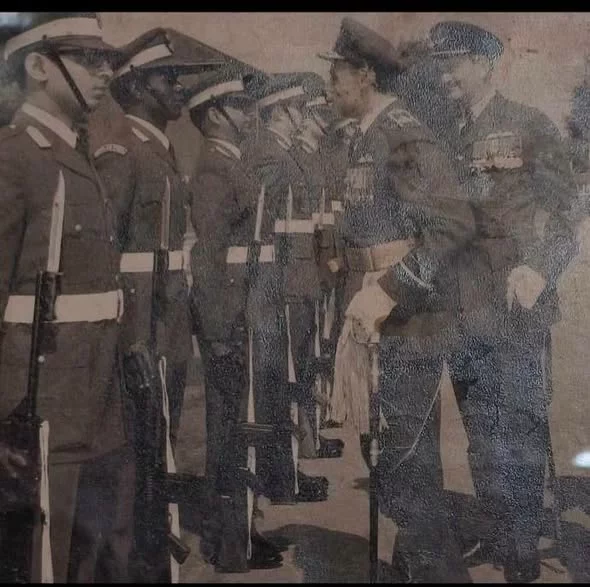
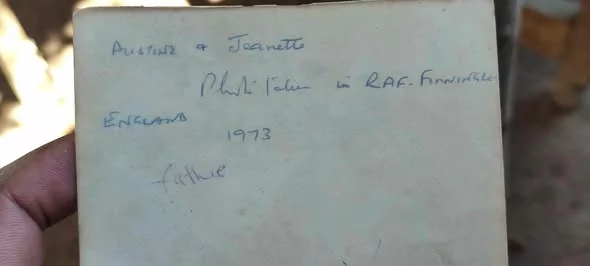
At nineteen, in 1970, he joined the Kenya Air Force. At twenty-two, in 1973, he was in England, at RAF Finningley, standing beside a woman named Jeanette, a photograph annotated in family handwriting: Pilot Instructor in RAF. England. 1973. Father.
That one word — Father — is doing an enormous amount of work. It is the only sentence in the entire archive that tells us something about his heart rather than his career.
In 1975 he came home, and on the first of June that year he flew in the Madaraka Day fly-past over Nairobi. He was twenty-four. The formation went up in front of President Kenyatta and a nation. And then a Hawker Hunter, registration 801, went into the ground near the Railway Golf Course, skidding into the railway yards. Captain Pius Muia and Lieutenant Riaga died. Austin Obuya came back.
We know the date, the aircraft, the names of the dead. We do not know what it is like to be the man who came back. There is no record of what he said afterwards, no interview, no diary entry. Whatever that morning did to him, he carried it in silence, and the silence is now most of what we have.
The same year, he left the military for Kenya Airways. And somewhere in that crossing, there is a letter.
The letter is the wound at the centre of this story. Pushed under a door in Nairobi. Read once. And then — according to the neighbour who watched it happen — a man became confused, began to drink, and eventually walked away from the uniform.
We do not know what it said. We should not guess. But we can notice the shape of it: a single document, arriving without warning, capable of dismantling a life that had been built with such unusual speed. Letters like that are rarely about careers. They are usually about love, or money, or a child, or a betrayal, or a death that was never properly announced. Austin Obuya had, by 1975, a son in England whose existence we know of and whose whereabouts we do not. It is not difficult to imagine what a letter might contain. It is also not permitted to pretend that imagining is knowing.
What we can say is that whatever was written, the man who read it did not recover his former trajectory. That is a fact about the letter, even if the letter itself is lost.
And then — this is the part that ought to be remembered longest — he became a teacher.
Not a celebrated aviator turning to something lesser. A man who walked into a classroom at Lisana Secondary School carrying no textbook at all, and taught science from memory, from a mind that had once been described as having number one left for it. His students remembered him for that. Not for the Hunter, not for the RAF, not for Kenya Airways. For walking into a room empty-handed and filling it.
There is something almost unbearably symmetrical in it. The boy who did not need to attend school became the man who did not need to carry the book. The same gift, in two directions, across forty years.
He died in 1989, at thirty-eight, while still remembered as a captain. The family says he was poisoned. Perhaps he was. That is a claim that waits for a certificate, a record, a witness. But even held at arm's length, it tells us something about how his family experienced his death: not as illness, not as accident, but as something done to him. That is how the people who loved him have carried it.
There is another Austin Obuya. Somewhere in Britain, a man in his early fifties, named for his father, who may not know that he is the son of a Kenyan pilot who stood at RAF Finningley in 1973 and who died at thirty-eight in a country he had never seen. He may have grown up with a mother named Jeanette, or with a different name entirely, or with no story at all.
The family has looked and not found him. And so this man exists in the record as an absence — a person-shaped gap at the centre of the story, the way the letter is a document-shaped gap. Both are the same kind of thing: the missing piece that explains the rest.
That is what this search is really about. Not genealogy for its own sake, not names on a form. It is about completing a sentence that has been unfinished since 1975. It is about telling a man in England that the father he may never have known was brilliant, and flew for his country, and stood beside his mother in a photograph, and wrote Father on the back of it, and died too young.
Perhaps the fairest way to remember Austin Obuya is not as a hero or a tragedy, but as a man who kept arriving somewhere and then leaving. School, then the Air Force. Kenya, then England. The Air Force, then the airline. The airline, then the classroom. And then, at thirty-eight, the last departure, the one nobody chose.
He left behind a photograph, a handful of remembered anecdotes, a name on a Madaraka Day story from 1975, a son he never raised, and students who remember a teacher without a textbook.
It is not a large archive. But it is enough to say with confidence that he was here, that he was remarkable, and that he deserved a longer and gentler life than the one he got.
A Reflection on Late Captain Austin Obuya (1951–1989)
There is a particular kind of sadness that belongs to lives which were brief but wide.
Captain Austin Obuya lived thirty-eight years, and in those years he was a schoolboy, a soldier, an aviator, a pilot instructor in a foreign air force, an airline man, a teacher, a father twice over in two countries, and then, quietly, a memory.
He was born in 1951 in Nyakach, in western Kenya, the family home near Katito at Nyamarumbe.
He went to Mang'u High School, where the recollection that has survived is almost a parable: he was often absent, and still, "number one was left for him." Whatever else can be questioned in a story passed down by word of mouth, that image holds , a boy who did not need to be present to be first.
At nineteen, in 1970, he joined the Kenya Air Force. At twenty-two, in 1973, he was in England, at RAF Finningley, standing beside a woman named Jeanette, a photograph annotated in family handwriting: Pilot Instructor in RAF. England. 1973. Father.
That one word — Father — is doing an enormous amount of work. It is the only sentence in the entire archive that tells us something about his heart rather than his career.
In 1975 he came home, and on the first of June that year he flew in the Madaraka Day fly-past over Nairobi. He was twenty-four. The formation went up in front of President Kenyatta and a nation. And then a Hawker Hunter, registration 801, went into the ground near the Railway Golf Course, skidding into the railway yards. Captain Pius Muia and Lieutenant Riaga died. Austin Obuya came back.
We know the date, the aircraft, the names of the dead. We do not know what it is like to be the man who came back. There is no record of what he said afterwards, no interview, no diary entry. Whatever that morning did to him, he carried it in silence, and the silence is now most of what we have.
The same year, he left the military for Kenya Airways. And somewhere in that crossing, there is a letter.
The letter is the wound at the centre of this story. Pushed under a door in Nairobi. Read once. And then — according to the neighbour who watched it happen — a man became confused, began to drink, and eventually walked away from the uniform.
We do not know what it said. We should not guess. But we can notice the shape of it: a single document, arriving without warning, capable of dismantling a life that had been built with such unusual speed. Letters like that are rarely about careers. They are usually about love, or money, or a child, or a betrayal, or a death that was never properly announced. Austin Obuya had, by 1975, a son in England whose existence we know of and whose whereabouts we do not. It is not difficult to imagine what a letter might contain. It is also not permitted to pretend that imagining is knowing.
What we can say is that whatever was written, the man who read it did not recover his former trajectory. That is a fact about the letter, even if the letter itself is lost.
And then — this is the part that ought to be remembered longest — he became a teacher.
Not a celebrated aviator turning to something lesser. A man who walked into a classroom at Lisana Secondary School carrying no textbook at all, and taught science from memory, from a mind that had once been described as having number one left for it. His students remembered him for that. Not for the Hunter, not for the RAF, not for Kenya Airways. For walking into a room empty-handed and filling it.
There is something almost unbearably symmetrical in it. The boy who did not need to attend school became the man who did not need to carry the book. The same gift, in two directions, across forty years.
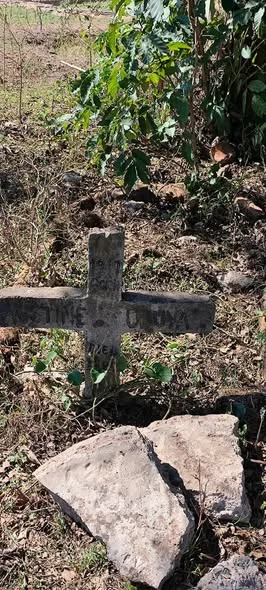
He died in 1989, at thirty-eight, while still remembered as a captain. The family says he was poisoned. Perhaps he was. That is a claim that waits for a certificate, a record, a witness. But even held at arm's length, it tells us something about how his family experienced his death: not as illness, not as accident, but as something done to him. That is how the people who loved him have carried it.
There is another Austin Obuya. Somewhere in Britain, a man in his early fifties, named for his father, who may not know that he is the son of a Kenyan pilot who stood at RAF Finningley in 1973 and who died at thirty-eight in a country he had never seen. He may have grown up with a mother named Jeanette, or with a different name entirely, or with no story at all.
The family has looked and not found him. And so this man exists in the record as an absence — a person-shaped gap at the centre of the story, the way the letter is a document-shaped gap. Both are the same kind of thing: the missing piece that explains the rest.
That is what this search is really about. Not genealogy for its own sake, not names on a form. It is about completing a sentence that has been unfinished since 1975. It is about telling a man in England that the father he may never have known was brilliant, and flew for his country, and stood beside his mother in a photograph, and wrote Father on the back of it, and died too young.
Perhaps the fairest way to remember Austin Obuya is not as a hero or a tragedy, but as a man who kept arriving somewhere and then leaving. School, then the Air Force. Kenya, then England. The Air Force, then the airline. The airline, then the classroom. And then, at thirty-eight, the last departure, the one nobody chose.
He left behind a photograph, a handful of remembered anecdotes, a name on a Madaraka Day story from 1975, a son he never raised, and students who remember a teacher without a textbook.
It is not a large archive. But it is enough to say with confidence that he was here, that he was remarkable, and that he deserved a longer and gentler life than the one he got.