

wakimani
Elder Lister
Paramount Chief Alhaji Salim Chepkeitany lived a life of service, faith, and leadership.
He was the fifth born in a family of sixteen children. After becoming a moran, he looked for work. In 1931, at age twenty four, he joined the colonial prisons force. He trained in Nairobi.
After training, he was posted to Kisumu Prison. He worked there until 1936. He earned forty eight shillings a month. He moved there with his wife and child. It was not easy, but he stayed determined.
He later left the prison service. He opened a butchery at Tambach. He moved it to Kimwarer, near the fluorspar mines. The area had many mosquitoes. He got malaria. Some of his children fell sick too. He moved again, this time to Metkei. His business failed. He said, "I had to start right from scratch."
He then entered politics. He was elected councillor for his area. He also served as a chief at the same time. He opened a shop too, but registered it under his brother's name. Chiefs were not allowed to run businesses.
He cared deeply about education. Around 1952, he began raising support to build a school. That school became Kitany Secondary School. He also helped build an Islamic centre for learning.
As councillor for Mutei Location, he joined the push for Kenya's independence. His influence spread across Elgeyo Marakwet District.
In 1958, he helped form the Kalenjin Political Association with Daniel arap Moi. Moi was chairman. Chepkeitany was treasurer. The association later became KADU, then KANU. He became Elgeyo Marakwet District chairman.
In 1967, President Jomo Kenyatta honoured him as an Elder of the Burning Spear. He had started as a colonial chief. He rose to paramount chief.
He often laughed about his journey. One surprising moment was when President Moi personally gave him the Burning Spear award.
He went on a pilgrimage too. He stayed devoted to his faith and community. In his later years, he lived at Kipsenende Farm in Uasin Gishu. He remained an elder there.
He is remembered for helping build Abrar High School, which grew from the Islamic centre he supported.
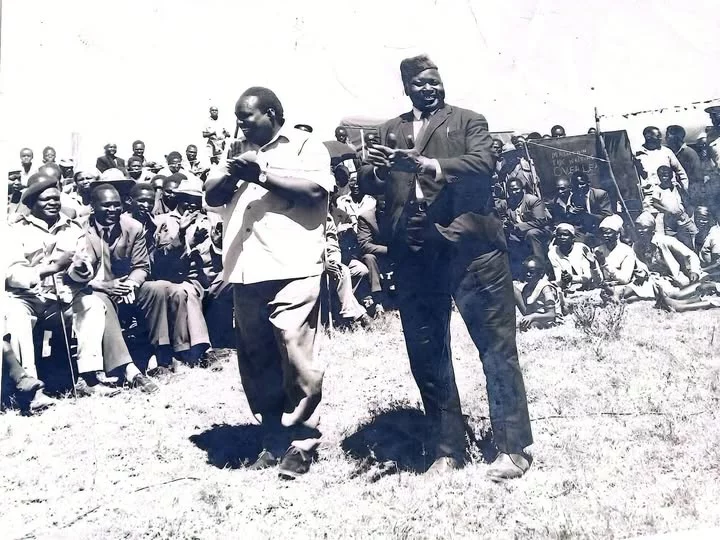
He was the fifth born in a family of sixteen children. After becoming a moran, he looked for work. In 1931, at age twenty four, he joined the colonial prisons force. He trained in Nairobi.
After training, he was posted to Kisumu Prison. He worked there until 1936. He earned forty eight shillings a month. He moved there with his wife and child. It was not easy, but he stayed determined.
He later left the prison service. He opened a butchery at Tambach. He moved it to Kimwarer, near the fluorspar mines. The area had many mosquitoes. He got malaria. Some of his children fell sick too. He moved again, this time to Metkei. His business failed. He said, "I had to start right from scratch."
He then entered politics. He was elected councillor for his area. He also served as a chief at the same time. He opened a shop too, but registered it under his brother's name. Chiefs were not allowed to run businesses.
He cared deeply about education. Around 1952, he began raising support to build a school. That school became Kitany Secondary School. He also helped build an Islamic centre for learning.
As councillor for Mutei Location, he joined the push for Kenya's independence. His influence spread across Elgeyo Marakwet District.
In 1958, he helped form the Kalenjin Political Association with Daniel arap Moi. Moi was chairman. Chepkeitany was treasurer. The association later became KADU, then KANU. He became Elgeyo Marakwet District chairman.
In 1967, President Jomo Kenyatta honoured him as an Elder of the Burning Spear. He had started as a colonial chief. He rose to paramount chief.
He often laughed about his journey. One surprising moment was when President Moi personally gave him the Burning Spear award.
He went on a pilgrimage too. He stayed devoted to his faith and community. In his later years, he lived at Kipsenende Farm in Uasin Gishu. He remained an elder there.
He is remembered for helping build Abrar High School, which grew from the Islamic centre he supported.
