

kymnjoro
Elder Lister
On 25 October 1969, a visit by President Jomo Kenyatta to Kisumu ended in deadly violence.

The event would become known as the Kisumu Massacre
Kenya was already experiencing intense political tension.
Earlier that year, Tom Mboya had been assassinated, while the relationship between President Jomo Kenyatta and former Vice President Jaramogi Oginga Odinga had deteriorated sharply. Odinga had formed the opposition Kenya People's Union (KPU), and political tensions were particularly strong in Nyanza.
On 25 October 1969, Kenyatta travelled to Kisumu to officially open the newly built Nyanza Provincial General Hospital, a project associated with Soviet assistance.
A large crowd gathered for the visit, including supporters of the KPU. Accounts describe heckling and confrontation during the president's appearance, followed by violence.
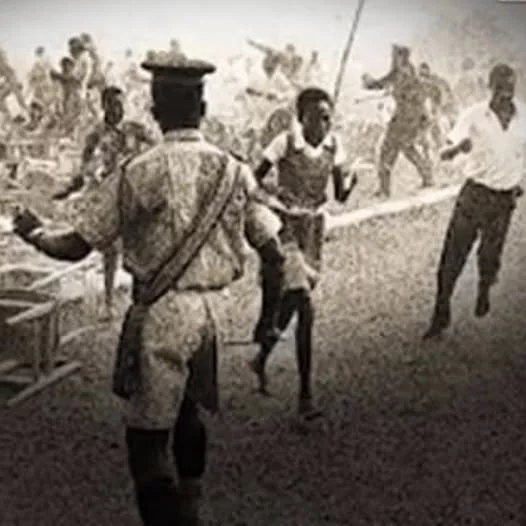
Security forces, including police and members of the presidential security detail, opened fire as the disturbance escalated. Civilians were killed and many others were injured.
How many people died?
This is one of the most disputed parts of the history.
The official figure was 11 deaths. Other historical accounts and eyewitness-based estimates have put the number much higher, in some cases as high as about 100. Because the figures conflict, it is safer to describe the death toll as disputed rather than present a single number as certain.
The consequences went beyond the immediate deaths.
Within days, KPU politicians and prominent supporters were arrested, the KPU was banned, and Oginga Odinga was placed under house arrest. The banning of the KPU left Kenya without a legally recognised opposition party and marked an important turning point in the country's post-independence political history.
The Kisumu events therefore became more than a tragic episode of street violence.
They reflected the deep political tensions of Kenya in the late 1960s — tensions involving political competition, regional loyalties, the Cold War, land and economic grievances, and the increasingly strained relationship between the government and its opponents.
The events of 25 October 1969 remain an important chapter in understanding Kenya's early post-independence history.
The event would become known as the Kisumu Massacre
Kenya was already experiencing intense political tension.
Earlier that year, Tom Mboya had been assassinated, while the relationship between President Jomo Kenyatta and former Vice President Jaramogi Oginga Odinga had deteriorated sharply. Odinga had formed the opposition Kenya People's Union (KPU), and political tensions were particularly strong in Nyanza.
On 25 October 1969, Kenyatta travelled to Kisumu to officially open the newly built Nyanza Provincial General Hospital, a project associated with Soviet assistance.
A large crowd gathered for the visit, including supporters of the KPU. Accounts describe heckling and confrontation during the president's appearance, followed by violence.
Security forces, including police and members of the presidential security detail, opened fire as the disturbance escalated. Civilians were killed and many others were injured.
How many people died?
This is one of the most disputed parts of the history.
The official figure was 11 deaths. Other historical accounts and eyewitness-based estimates have put the number much higher, in some cases as high as about 100. Because the figures conflict, it is safer to describe the death toll as disputed rather than present a single number as certain.
The consequences went beyond the immediate deaths.
Within days, KPU politicians and prominent supporters were arrested, the KPU was banned, and Oginga Odinga was placed under house arrest. The banning of the KPU left Kenya without a legally recognised opposition party and marked an important turning point in the country's post-independence political history.
The Kisumu events therefore became more than a tragic episode of street violence.
They reflected the deep political tensions of Kenya in the late 1960s — tensions involving political competition, regional loyalties, the Cold War, land and economic grievances, and the increasingly strained relationship between the government and its opponents.
The events of 25 October 1969 remain an important chapter in understanding Kenya's early post-independence history.