

kymnjoro
Elder Lister
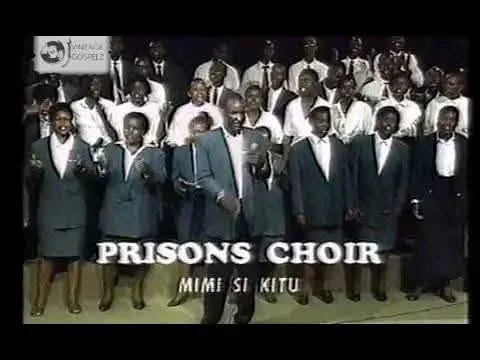
Anyone from the older generation will remember John Kimeli Kemei. As a member of the Kenya Prisons Staff Choir, his patriotic and gospel songs once filled homes, churches, and public gatherings across the country.
His best known songs include Tumikia Kenya, a call to serve the nation, and Utamanduni Wetu and Lugha Ya Mama, which celebrated Kenya's cultural traditions and language.
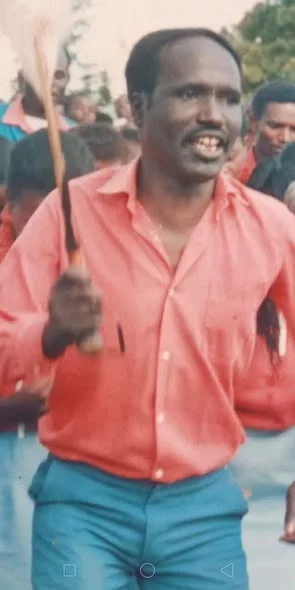
But who was the man behind the music? Kemei was born in Nandi in the early 1950s. In the 1960s, his family moved to Karo farm in Sergoit, where his mother worked. They later moved to Charar farm and then Kapkuis farm.
Among his peers at Karo farm were Francis Tarar, later MP for Eldoret East, and Councillor Peter Kemei.
Kemei attended Emsilies Primary School in the 1970s. It was there that his love for music began to grow.
His big break came during a school performance in Moiben, where he sang for the then Vice President Daniel Arap Moi.
His talent was noticed, and he was recruited into the Kenya Prisons, joining the Kenya Prisons Staff Choir. The choir later became one of the country's most celebrated institutional choirs.
As a composer, Kemei had a unique gift. His songs blended the rhythms of Nandi with gospel harmony and civic pride. His music was never just entertainment. It carried messages urging Kenyans to honor their culture while serving their nation.
In 1994, John Kimeli Kemei passed away after a short illness. He was laid to rest at his farm in Charar.
His voice fell silent, but his songs live on. They remind us that music is more than melody. It is a vessel of identity, unity, and hope.
Cultural custodians are not always found in textbooks or monuments. Sometimes they are simply the voices that once roared through radio waves, urging people to serve, believe, and remember who they are. John Kimeli Kemei's legacy calls us to keep singing our heritage, so future generations never forget.
His best known songs include Tumikia Kenya, a call to serve the nation, and Utamanduni Wetu and Lugha Ya Mama, which celebrated Kenya's cultural traditions and language.
But who was the man behind the music? Kemei was born in Nandi in the early 1950s. In the 1960s, his family moved to Karo farm in Sergoit, where his mother worked. They later moved to Charar farm and then Kapkuis farm.
Among his peers at Karo farm were Francis Tarar, later MP for Eldoret East, and Councillor Peter Kemei.
Kemei attended Emsilies Primary School in the 1970s. It was there that his love for music began to grow.
His big break came during a school performance in Moiben, where he sang for the then Vice President Daniel Arap Moi.
His talent was noticed, and he was recruited into the Kenya Prisons, joining the Kenya Prisons Staff Choir. The choir later became one of the country's most celebrated institutional choirs.
As a composer, Kemei had a unique gift. His songs blended the rhythms of Nandi with gospel harmony and civic pride. His music was never just entertainment. It carried messages urging Kenyans to honor their culture while serving their nation.
In 1994, John Kimeli Kemei passed away after a short illness. He was laid to rest at his farm in Charar.
His voice fell silent, but his songs live on. They remind us that music is more than melody. It is a vessel of identity, unity, and hope.
Cultural custodians are not always found in textbooks or monuments. Sometimes they are simply the voices that once roared through radio waves, urging people to serve, believe, and remember who they are. John Kimeli Kemei's legacy calls us to keep singing our heritage, so future generations never forget.