

kymnjoro
Elder Lister
Some soldiers leave behind medals. Others leave behind stories. But General Daudi Rerimoi Chepkonga Tonje left Rules that changed an entire military institution.
He was a quiet man. A disciplined soldier. A man who rarely looked interested in the spotlight, but when he entered the upper echelons of Kenya’s military, He changed the rules of the game.
Born in Pemwai village, Baringo County, in Kenya’s Rift Valley region, Tonje grew up during the final years of British colonial rule. Those were the years that helped shape his discipline, patriotism and commitment to service.
Interestingly, his exact date of birth has remained private... quite fitting for a man who spent his life keeping a low personal profile.
He later married and raised a family, but even at the height of his military career, he largely kept his private life away from public attention.
Then came 1962.
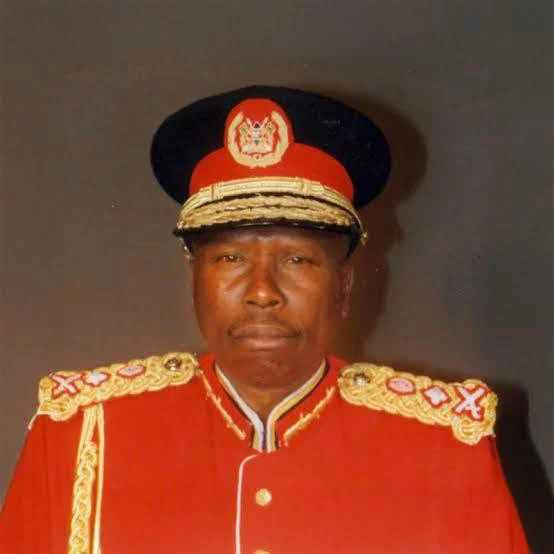
Kenya was approaching independence, and Tonje joined the Kenya Army.
He became part of the first generation of African officers who were given the enormous responsibility of helping build a national military from the foundations of the colonial system.
He trained at Lanet Barracks in Nakuru and was commissioned into the 11th Kenya Rifles, formerly the KAR.
From there, the climb began.
Tonje steadily rose through the military ranks, serving in different command and staff positions and gaining experience in operations, administration and leadership.
In 1993, President Moi appointed him commander of the Kenya Army.
Eventually, Tonje rose to become Commander of the Kenya Army.
Then, in 1996, came the biggest appointment of his military career. He became Chief of the General Staff, the highest military office in Kenya at the time... a position now known as the Chief of Defence Forces.
And that is when things really started changing.
Tonje inherited a military that was functional, but still carried a number of outdated practices.
Promotion systems were unclear. Professional standards needed strengthening. And there was a need for a more structured and predictable way of running the institution.
Tonje decided to bring order to the system.
He introduced structured rules governing recruitment, promotion, tenure and retirement.
Those rules would later become widely known as the...
“TONJE RULES.”
Under the new system, officers were expected to progress based on merit, training and time served, rather than patronage or politics.
Suddenly, the military career ladder had rules. You could not simply wake up one morning and decide that today was a good day to jump three ranks

Leadership transitions also became more predictable and orderly.
But Tonje was not finished.
One of his most important reforms was the introduction of term limits for senior commanders, including the Chief of the General Staff.
The idea was straightforward...
Senior commanders would serve fixed terms, allowing leadership to be regularly renewed and reducing the possibility of power becoming permanently entrenched at the top.
That principle remains influential in the Kenya Defence Forces to this day.
Then came another major change...
Women in the military.
Tonje disbanded the Women Service Corps and integrated female soldiers into the mainstream military structure.
Under his leadership, women were allowed to marry and have families while continuing to serve.
This ended restrictive policies that had previously limited their military careers.
He also turned his attention to the welfare of soldiers. Traditional pay parades were abolished, and salaries were moved to bank payments.
He also supported the establishment of a military medical insurance scheme.
Education and professionalism were another important part of his reforms.
He encouraged senior officers to pursue advanced military and academic training.
He also supported the strengthening of institutions such as the Defence Staff College, ensuring that Kenya’s military leadership was prepared for more than simply going to war.
Tonje’s firm reforms reportedly created tension with some political and military interests. Yet he remained focused on institutional discipline rather than personal power.
Unlike many senior figures of his era, his career was largely free from major public scandals. His reputation remained largely that of a principled officer who placed the integrity of the armed forces above all else.
And then came the most interesting part...Tonje eventually did what his own rules demanded. Around 2000–2001, General Tonje retired after completing his term.
He stepped aside gracefully.
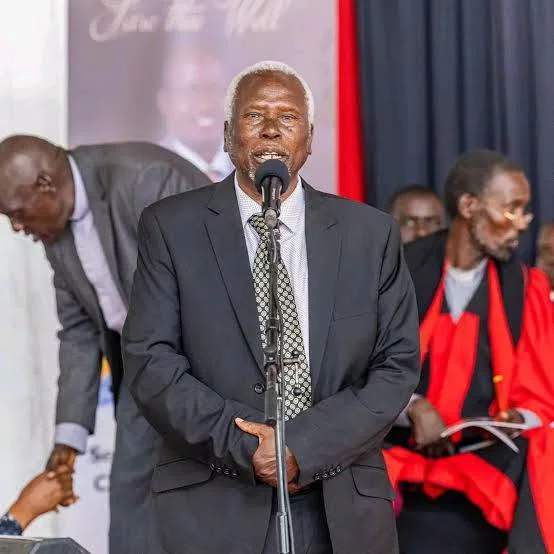
After retirement, Tonje withdrew from active duties and public controversy and chose a much quieter life, largely associated with farming and community life in Baringo County.
Today, he holds no formal government role. But he remains respected as a senior military elder and is occasionally recognised at ceremonial and mentorship events within the defence community.
And that is how General Daudi Tonje came to be remembered and is still remembered...Not simply as another military commander. Not simply as a man who wore the uniform and climbed through the ranks....But as the father of modern military professionalism in Kenya.
He was a quiet man. A disciplined soldier. A man who rarely looked interested in the spotlight, but when he entered the upper echelons of Kenya’s military, He changed the rules of the game.
Born in Pemwai village, Baringo County, in Kenya’s Rift Valley region, Tonje grew up during the final years of British colonial rule. Those were the years that helped shape his discipline, patriotism and commitment to service.
Interestingly, his exact date of birth has remained private... quite fitting for a man who spent his life keeping a low personal profile.
He later married and raised a family, but even at the height of his military career, he largely kept his private life away from public attention.
Then came 1962.
Kenya was approaching independence, and Tonje joined the Kenya Army.
He became part of the first generation of African officers who were given the enormous responsibility of helping build a national military from the foundations of the colonial system.
He trained at Lanet Barracks in Nakuru and was commissioned into the 11th Kenya Rifles, formerly the KAR.
From there, the climb began.
Tonje steadily rose through the military ranks, serving in different command and staff positions and gaining experience in operations, administration and leadership.
In 1993, President Moi appointed him commander of the Kenya Army.
Eventually, Tonje rose to become Commander of the Kenya Army.
Then, in 1996, came the biggest appointment of his military career. He became Chief of the General Staff, the highest military office in Kenya at the time... a position now known as the Chief of Defence Forces.
And that is when things really started changing.
Tonje inherited a military that was functional, but still carried a number of outdated practices.
Promotion systems were unclear. Professional standards needed strengthening. And there was a need for a more structured and predictable way of running the institution.
Tonje decided to bring order to the system.
He introduced structured rules governing recruitment, promotion, tenure and retirement.
Those rules would later become widely known as the...
“TONJE RULES.”
Under the new system, officers were expected to progress based on merit, training and time served, rather than patronage or politics.
Suddenly, the military career ladder had rules. You could not simply wake up one morning and decide that today was a good day to jump three ranks
Leadership transitions also became more predictable and orderly.
But Tonje was not finished.
One of his most important reforms was the introduction of term limits for senior commanders, including the Chief of the General Staff.
The idea was straightforward...
Senior commanders would serve fixed terms, allowing leadership to be regularly renewed and reducing the possibility of power becoming permanently entrenched at the top.
That principle remains influential in the Kenya Defence Forces to this day.
Then came another major change...
Women in the military.
Tonje disbanded the Women Service Corps and integrated female soldiers into the mainstream military structure.
Under his leadership, women were allowed to marry and have families while continuing to serve.
This ended restrictive policies that had previously limited their military careers.
He also turned his attention to the welfare of soldiers. Traditional pay parades were abolished, and salaries were moved to bank payments.
He also supported the establishment of a military medical insurance scheme.
Education and professionalism were another important part of his reforms.
He encouraged senior officers to pursue advanced military and academic training.
He also supported the strengthening of institutions such as the Defence Staff College, ensuring that Kenya’s military leadership was prepared for more than simply going to war.
Tonje’s firm reforms reportedly created tension with some political and military interests. Yet he remained focused on institutional discipline rather than personal power.
Unlike many senior figures of his era, his career was largely free from major public scandals. His reputation remained largely that of a principled officer who placed the integrity of the armed forces above all else.
And then came the most interesting part...Tonje eventually did what his own rules demanded. Around 2000–2001, General Tonje retired after completing his term.
He stepped aside gracefully.
After retirement, Tonje withdrew from active duties and public controversy and chose a much quieter life, largely associated with farming and community life in Baringo County.
Today, he holds no formal government role. But he remains respected as a senior military elder and is occasionally recognised at ceremonial and mentorship events within the defence community.
And that is how General Daudi Tonje came to be remembered and is still remembered...Not simply as another military commander. Not simply as a man who wore the uniform and climbed through the ranks....But as the father of modern military professionalism in Kenya.
