

kymnjoro
Elder Lister
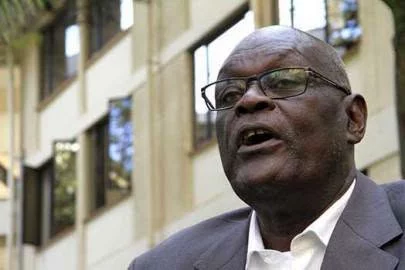
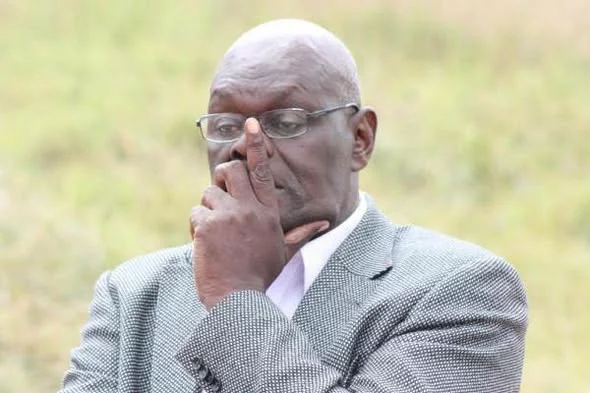
Fredrick Fidelis Omulo Gumo, popularly known as Fred Gumo, is one of the most colourful and enduring names in Kenya’s political history. Born in 1945, Gumo emerged from the Abanyala sub-tribe of the Luhya community and grew into a politician whose name became almost inseparable from toughness, resilience, and grassroots power.
To many Kenyans, he was not just Fred Gumo. He was “Kaa Ngumu” — the man who stood firm, pushed hard, and refused to be easily shaken.
Gumo was born into the family of businessman Pius Gumo and Martina Gumo, as their first-born son. Long before he became a household political name, he pursued technical education, earning a diploma in Mechanical Engineering from Kenya Polytechnic. He later advanced his studies at Metropolitan College in London, where he obtained a higher diploma in the same field.
But while engineering may have trained his hands and mind, politics would become the battlefield that shaped his public identity.
Gumo’s political journey began in earnest in 1979, when he was elected Member of Parliament for Kitale East, a constituency that is today part of Cherangany. He served until 1984, though his re-election in 1983 was later invalidated after allegations of ballot stuffing. For many politicians, such a setback would have marked the beginning of political decline. But for Gumo, it was only another chapter in a long career defined by comebacks, survival, and reinvention.
He later served as Mayor of Kitale Municipal Council, before moving into one of the most powerful local government positions of the Moi era — Chairman of the Nairobi City Commission between 1989 and 1992. This role placed him at the centre of Nairobi’s political and administrative machinery at a time when the capital city was rapidly expanding and becoming a battleground for influence, settlement, business, and ethnic mobilisation.
It was during this period that Gumo built his reputation as a tough organiser and a man who knew how to navigate the rough terrain of urban politics. Some accounts credit him with facilitating the migration and settlement of communities from Western Kenya into parts of Nairobi, further deepening his influence among the Luhya community and other supporters in the city.
His biggest political base, however, became Westlands Constituency.
In the mid-1990s, following the death of Westlands MP Amin Walji, Gumo won the by-election and took over the seat. He would hold it until his retirement in 2013. Westlands was not an easy constituency. It was urban, diverse, competitive, and politically sensitive. Yet Gumo mastered its rhythm. He understood the estates, the communities, the power brokers, and the language of survival in Nairobi politics.
That is where the legend of “Kaa Ngumu” became fully alive.
The phrase means “be tough” or “stand firm” in Swahili, and it captured Gumo’s political personality perfectly. He was bold, direct, combative, and unapologetic. He was not the polished boardroom politician who measured every word. He was a ground commander — the type who could face a hostile crowd, fight a difficult campaign, and still walk away smiling.
His career stretched through the eras of Presidents Daniel arap Moi, Mwai Kibaki, and the Grand Coalition government. Under President Kibaki, he served as Assistant Minister for Tourism and Wildlife from 2003 to 2007. Later, under the Grand Coalition government, he became Minister for Regional Development Authorities from 2008. In 2012, he also briefly acted as Minister for Local Government, showing that even late in his career, he remained trusted within the corridors of power.
Politically, Gumo became closely associated with the Orange Democratic Movement, ODM, and was regarded as a longtime ally and supporter of Raila Odinga. Within ODM circles, he carried the image of an old warhorse — a man who had seen political storms, survived them, and still had enough fire to speak his mind.
But like many powerful politicians of his generation, Gumo’s public life was not without controversy.
In 2012, his name was linked to a case involving a Range Rover said to belong to former President Daniel arap Moi, which had reportedly disappeared from a workshop. Gumo denied wrongdoing and maintained that he had bought the vehicle legitimately from a businessman. In 2013, he was also involved in a paternity suit after a woman sued him for child maintenance. He denied paternity and asked for a DNA test.
These controversies added to the complex public image of Fred Gumo — a man admired by supporters for his strength and loyalty, but also viewed by critics as a product of Kenya’s hard-knuckle political culture.
Away from politics, Gumo is a family man with two wives, Mary Gumo and Emma Gumo, and ten children. Some of his children have also shown political interest, including Michael Magero Gumo, who has vied for Westlands, and Pius Omulo Gumo, who ran for Endebess. The family has also faced difficult public moments, including the 2021 kidnapping of his sister-in-law and driver outside his Muthaiga home, though they were later released.
In 2013, after nearly four decades in public life, Gumo chose to retire from active politics. He said he had done enough, wanted to spend more time with his family, and desired to travel and enjoy life away from the daily heat of campaigns. In typical Gumo fashion, he also made it clear that he believed he could still win if he chose to run — but had simply decided to step aside.
That retirement did not erase his influence. From time to time, he has continued to comment on politics, ODM affairs, land matters, and national issues, especially from his base around Trans Nzoia and Endebess.
Fred Gumo’s story is therefore not just the biography of one politician. It is a window into Kenya’s post-independence political culture — a world of loyalty, survival, patronage, ethnic mobilisation, city politics, party battles, and personal toughness.
He belonged to a generation of leaders who did not merely speak politics; they lived it in rallies, funerals, boardrooms, backstreets, and Parliament.
To his supporters, Fred Gumo was a defender, a mobiliser, and a man who stood with his people. To his opponents, he was a hard political operator who understood power too well. But whether loved or criticised, one thing remains clear: Fred Gumo was never easy to ignore.
His nickname said it all.
Kaa Ngumu. Stand firm. Be tough.
And in the rough theatre of Kenyan politics, Fred Gumo did exactly that.
To many Kenyans, he was not just Fred Gumo. He was “Kaa Ngumu” — the man who stood firm, pushed hard, and refused to be easily shaken.
Gumo was born into the family of businessman Pius Gumo and Martina Gumo, as their first-born son. Long before he became a household political name, he pursued technical education, earning a diploma in Mechanical Engineering from Kenya Polytechnic. He later advanced his studies at Metropolitan College in London, where he obtained a higher diploma in the same field.
But while engineering may have trained his hands and mind, politics would become the battlefield that shaped his public identity.
Gumo’s political journey began in earnest in 1979, when he was elected Member of Parliament for Kitale East, a constituency that is today part of Cherangany. He served until 1984, though his re-election in 1983 was later invalidated after allegations of ballot stuffing. For many politicians, such a setback would have marked the beginning of political decline. But for Gumo, it was only another chapter in a long career defined by comebacks, survival, and reinvention.
He later served as Mayor of Kitale Municipal Council, before moving into one of the most powerful local government positions of the Moi era — Chairman of the Nairobi City Commission between 1989 and 1992. This role placed him at the centre of Nairobi’s political and administrative machinery at a time when the capital city was rapidly expanding and becoming a battleground for influence, settlement, business, and ethnic mobilisation.
It was during this period that Gumo built his reputation as a tough organiser and a man who knew how to navigate the rough terrain of urban politics. Some accounts credit him with facilitating the migration and settlement of communities from Western Kenya into parts of Nairobi, further deepening his influence among the Luhya community and other supporters in the city.
His biggest political base, however, became Westlands Constituency.
In the mid-1990s, following the death of Westlands MP Amin Walji, Gumo won the by-election and took over the seat. He would hold it until his retirement in 2013. Westlands was not an easy constituency. It was urban, diverse, competitive, and politically sensitive. Yet Gumo mastered its rhythm. He understood the estates, the communities, the power brokers, and the language of survival in Nairobi politics.
That is where the legend of “Kaa Ngumu” became fully alive.
The phrase means “be tough” or “stand firm” in Swahili, and it captured Gumo’s political personality perfectly. He was bold, direct, combative, and unapologetic. He was not the polished boardroom politician who measured every word. He was a ground commander — the type who could face a hostile crowd, fight a difficult campaign, and still walk away smiling.
His career stretched through the eras of Presidents Daniel arap Moi, Mwai Kibaki, and the Grand Coalition government. Under President Kibaki, he served as Assistant Minister for Tourism and Wildlife from 2003 to 2007. Later, under the Grand Coalition government, he became Minister for Regional Development Authorities from 2008. In 2012, he also briefly acted as Minister for Local Government, showing that even late in his career, he remained trusted within the corridors of power.
Politically, Gumo became closely associated with the Orange Democratic Movement, ODM, and was regarded as a longtime ally and supporter of Raila Odinga. Within ODM circles, he carried the image of an old warhorse — a man who had seen political storms, survived them, and still had enough fire to speak his mind.
But like many powerful politicians of his generation, Gumo’s public life was not without controversy.
In 2012, his name was linked to a case involving a Range Rover said to belong to former President Daniel arap Moi, which had reportedly disappeared from a workshop. Gumo denied wrongdoing and maintained that he had bought the vehicle legitimately from a businessman. In 2013, he was also involved in a paternity suit after a woman sued him for child maintenance. He denied paternity and asked for a DNA test.
These controversies added to the complex public image of Fred Gumo — a man admired by supporters for his strength and loyalty, but also viewed by critics as a product of Kenya’s hard-knuckle political culture.
Away from politics, Gumo is a family man with two wives, Mary Gumo and Emma Gumo, and ten children. Some of his children have also shown political interest, including Michael Magero Gumo, who has vied for Westlands, and Pius Omulo Gumo, who ran for Endebess. The family has also faced difficult public moments, including the 2021 kidnapping of his sister-in-law and driver outside his Muthaiga home, though they were later released.
In 2013, after nearly four decades in public life, Gumo chose to retire from active politics. He said he had done enough, wanted to spend more time with his family, and desired to travel and enjoy life away from the daily heat of campaigns. In typical Gumo fashion, he also made it clear that he believed he could still win if he chose to run — but had simply decided to step aside.
That retirement did not erase his influence. From time to time, he has continued to comment on politics, ODM affairs, land matters, and national issues, especially from his base around Trans Nzoia and Endebess.
Fred Gumo’s story is therefore not just the biography of one politician. It is a window into Kenya’s post-independence political culture — a world of loyalty, survival, patronage, ethnic mobilisation, city politics, party battles, and personal toughness.
He belonged to a generation of leaders who did not merely speak politics; they lived it in rallies, funerals, boardrooms, backstreets, and Parliament.
To his supporters, Fred Gumo was a defender, a mobiliser, and a man who stood with his people. To his opponents, he was a hard political operator who understood power too well. But whether loved or criticised, one thing remains clear: Fred Gumo was never easy to ignore.
His nickname said it all.
Kaa Ngumu. Stand firm. Be tough.
And in the rough theatre of Kenyan politics, Fred Gumo did exactly that.