

kymnjoro
Elder Lister
This Kenyan man came so close to defeating Coca-Cola in market share. Unfortunately, his own government couldn’t protect him or help him build a true Kenyan brand.
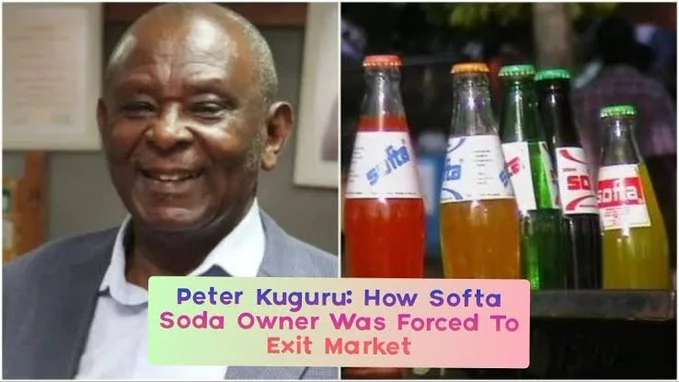
Peter Kuguru started Softa Soda in 1997. He believed that Kenya deserved its own drink at a price that ordinary people could afford, and it worked.
By 2004, Softa had taken 10% of the entire carbonated drinks market in Kenya. By 2007, they controlled 70 to 80% of the market within 200 km of Nairobi.
So what happened?
Kenya’s soda industry depends on recycling bottles, but Coca-Cola had the biggest collection network in the country. When Softa bottles ended up in Coca-Cola’s sorting yards — which happened most of the time — they simply disappeared.
And here is where the government comes in. All that was needed was a simple regulation requiring companies to return competitors’ bottles within a set time frame. This kind of rule exists in other markets, but the Kenyan government classified it as a private commercial dispute and stayed out of it.
Why?
Because this was the liberalisation era, and Kenya was under pressure from international lenders to open its market and let competition run its natural course. Getting involved would have looked like a protection scheme.
On top of that, Coca-Cola was one of the largest taxpayers in the country, and governments tend to protect revenue sources. In the end, a promising Kenyan brand was lost.
Peter Kuguru started Softa Soda in 1997. He believed that Kenya deserved its own drink at a price that ordinary people could afford, and it worked.
By 2004, Softa had taken 10% of the entire carbonated drinks market in Kenya. By 2007, they controlled 70 to 80% of the market within 200 km of Nairobi.
So what happened?
Kenya’s soda industry depends on recycling bottles, but Coca-Cola had the biggest collection network in the country. When Softa bottles ended up in Coca-Cola’s sorting yards — which happened most of the time — they simply disappeared.
And here is where the government comes in. All that was needed was a simple regulation requiring companies to return competitors’ bottles within a set time frame. This kind of rule exists in other markets, but the Kenyan government classified it as a private commercial dispute and stayed out of it.
Why?
Because this was the liberalisation era, and Kenya was under pressure from international lenders to open its market and let competition run its natural course. Getting involved would have looked like a protection scheme.
On top of that, Coca-Cola was one of the largest taxpayers in the country, and governments tend to protect revenue sources. In the end, a promising Kenyan brand was lost.
