

kymnjoro
Elder Lister
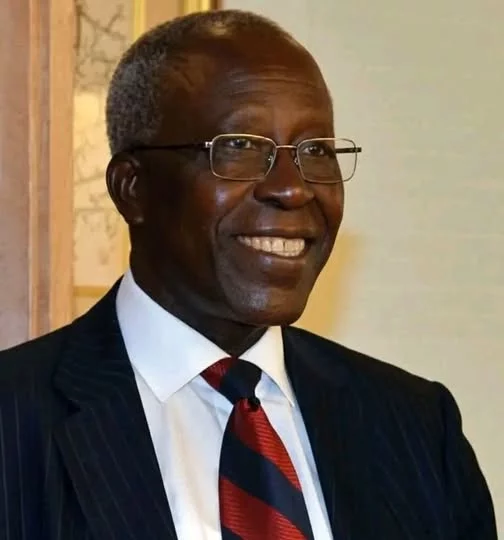
Senator (Prof.) Samson Kegengo Ongeri’s story begins on February 23, 1938, in Gesusu, Nyaribari Masaba, Kisii District. His childhood was shaped by faith, simplicity, and a proud heritage of resistance. His grandfather, Nyamatenga, was shot dead by colonial forces in Kiogoro while resisting their rule, and his father, Benson Ongeri, resigned as assistant chief rather than help suppress the Mau Mau uprising.
He began his education at Gesusu Sector School (now Moi High School, Gesusu), where teachers believed he was the grandchild his forebear Nyamatenga had foretold would become a leader. After excelling in the Kenya African Preliminary Examination, he joined Kamagambo Mission School and later earned a Cambridge School Certificate before enrolling at Bugema Missionary College from 1952 to 1957. During this period, he supported himself in Nairobi by selling SDA books. In 1958, he began teaching at Nyachwa SDA Primary School, impressing inspectors who urged him to pursue further teacher training. Ongeri declined the offer, choosing instead to chase his growing passion for medicine.
When the Indian government advertised scholarships, he applied and was selected among eight finalists out of more than 300 applicants. He studied at Delhi University, graduating with a Bachelor of Medicine (Surgery) in 1966. On returning to Kenya, he worked at Kenyatta National Hospital as an intern and later as a registrar, while also serving medical units of the Kenya Army, Police, and Prisons. It was here that he first met Daniel arap Moi, then Vice President, who was impressed by the new wave of young African doctors transforming KNH.
Ongeri went on to specialise at the University of Edinburgh and later earned a Diploma in Child Health from the University of London in 1970. Returning in 1972 with his wife, Elizabeth Wangari, also a medic, he rejoined KNH, lectured at the University of Nairobi, and helped establish Kenya’s first renal dialysis unit while participating in the country's first kidney transplant. Rising steadily through academia, he became a professor and trained generations of medical practitioners.
His political career began in earnest in 1988 when he won the Nyaribari Masaba parliamentary seat. President Moi immediately appointed him Minister for Technical Training and Applied Technology, a brand-new ministry he helped conceptualise from scratch at Jogoo House B. Despite the donor hostility Kenya faced at the time, he leveraged the Directorate of Industrial Training to upgrade workforce skills nationwide. This effort spurred the transformation of the jua kali sector, making its products more competitive and helping create nearly 40% of Kenya’s employment.
After losing the 1992 KANU nomination, Moi appointed him Kenya’s Permanent Representative to UNEP and Chairman of the University of Nairobi Council. At UNEP, he successfully fought off attempts to relocate the headquarters from Nairobi by coordinating the installation of a fibre-optic link between GPO and Gigiri, while also securing several major international environmental conventions.
Re-elected in 1997, he was appointed Minister for Local Government, where he launched the Kenya Urban Development Programme that rehabilitated roads across major towns and constructed the iconic Kenyatta Avenue–Uhuru Highway fountain. A 2000 reshuffle moved him to the Ministry of Health, where he expanded immunisation coverage to 93%, strengthened NHIF, improved staff remuneration, and championed preventive healthcare.
Ongeri lost his seat in 2002 but made a decisive comeback in 2007. President Mwai Kibaki appointed him Minister for Education (2007–2012) and later Minister for Foreign Affairs (2012–2013). It was during his tenure as Foreign Minister in September 2012 that he survived a dramatic suicide attack in Mogadishu. Leading a Kenyan delegation to deliver President Kibaki’s congratulatory message to newly elected Somali President Hassan Sheikh Mohamud at the Jazeera Hotel, Ongeri maintained remarkable composure when two suicide bombers and two gunmen launched an attack. Even as bullets rattled outside, he calmly continued his address while government forces battled and neutralised the attackers. No officials were harmed.
He later served as Kenya’s Permanent Representative to UN-Habitat from 2015 to 2017 before being elected Senator for Kisii County on an ODM ticket in 2017. In 2022, he ran for Kisii governor on a DAP-K ticket. Though unsuccessful, his retirement at 84 marked the close of one of the most accomplished and enduring public careers in Kenya’s history.
From medicine to diplomacy, academia to statecraft, Prof. Ongeri’s journey stands as a reminder that national service is not a single calling but a lifetime of evolving responsibilities, each carried with intention and dignity.
He began his education at Gesusu Sector School (now Moi High School, Gesusu), where teachers believed he was the grandchild his forebear Nyamatenga had foretold would become a leader. After excelling in the Kenya African Preliminary Examination, he joined Kamagambo Mission School and later earned a Cambridge School Certificate before enrolling at Bugema Missionary College from 1952 to 1957. During this period, he supported himself in Nairobi by selling SDA books. In 1958, he began teaching at Nyachwa SDA Primary School, impressing inspectors who urged him to pursue further teacher training. Ongeri declined the offer, choosing instead to chase his growing passion for medicine.
When the Indian government advertised scholarships, he applied and was selected among eight finalists out of more than 300 applicants. He studied at Delhi University, graduating with a Bachelor of Medicine (Surgery) in 1966. On returning to Kenya, he worked at Kenyatta National Hospital as an intern and later as a registrar, while also serving medical units of the Kenya Army, Police, and Prisons. It was here that he first met Daniel arap Moi, then Vice President, who was impressed by the new wave of young African doctors transforming KNH.
Ongeri went on to specialise at the University of Edinburgh and later earned a Diploma in Child Health from the University of London in 1970. Returning in 1972 with his wife, Elizabeth Wangari, also a medic, he rejoined KNH, lectured at the University of Nairobi, and helped establish Kenya’s first renal dialysis unit while participating in the country's first kidney transplant. Rising steadily through academia, he became a professor and trained generations of medical practitioners.
His political career began in earnest in 1988 when he won the Nyaribari Masaba parliamentary seat. President Moi immediately appointed him Minister for Technical Training and Applied Technology, a brand-new ministry he helped conceptualise from scratch at Jogoo House B. Despite the donor hostility Kenya faced at the time, he leveraged the Directorate of Industrial Training to upgrade workforce skills nationwide. This effort spurred the transformation of the jua kali sector, making its products more competitive and helping create nearly 40% of Kenya’s employment.
After losing the 1992 KANU nomination, Moi appointed him Kenya’s Permanent Representative to UNEP and Chairman of the University of Nairobi Council. At UNEP, he successfully fought off attempts to relocate the headquarters from Nairobi by coordinating the installation of a fibre-optic link between GPO and Gigiri, while also securing several major international environmental conventions.
Re-elected in 1997, he was appointed Minister for Local Government, where he launched the Kenya Urban Development Programme that rehabilitated roads across major towns and constructed the iconic Kenyatta Avenue–Uhuru Highway fountain. A 2000 reshuffle moved him to the Ministry of Health, where he expanded immunisation coverage to 93%, strengthened NHIF, improved staff remuneration, and championed preventive healthcare.
Ongeri lost his seat in 2002 but made a decisive comeback in 2007. President Mwai Kibaki appointed him Minister for Education (2007–2012) and later Minister for Foreign Affairs (2012–2013). It was during his tenure as Foreign Minister in September 2012 that he survived a dramatic suicide attack in Mogadishu. Leading a Kenyan delegation to deliver President Kibaki’s congratulatory message to newly elected Somali President Hassan Sheikh Mohamud at the Jazeera Hotel, Ongeri maintained remarkable composure when two suicide bombers and two gunmen launched an attack. Even as bullets rattled outside, he calmly continued his address while government forces battled and neutralised the attackers. No officials were harmed.
He later served as Kenya’s Permanent Representative to UN-Habitat from 2015 to 2017 before being elected Senator for Kisii County on an ODM ticket in 2017. In 2022, he ran for Kisii governor on a DAP-K ticket. Though unsuccessful, his retirement at 84 marked the close of one of the most accomplished and enduring public careers in Kenya’s history.
From medicine to diplomacy, academia to statecraft, Prof. Ongeri’s journey stands as a reminder that national service is not a single calling but a lifetime of evolving responsibilities, each carried with intention and dignity.