

kymnjoro
Elder Lister
J.M. Kariuki — the politician who warned about “10 millionaires and 10 million beggars”
He came from a family displaced by colonial land policies. He joined the Mau Mau movement. He was detained for seven years. He later worked alongside Jomo Kenyatta — and eventually became one of the government's most outspoken critics.
His name was Josiah Mwangi Kariuki, popularly known as J.M. Kariuki.
Born in 1929, Kariuki grew up in a family whose land had been displaced during the colonial period. He initially struggled to remain in school, but later completed his primary education and attended King's College Budo in Uganda.
During the Emergency, he joined the Mau Mau movement and worked as a liaison officer. He was arrested in 1953 and spent about seven years in detention, being released in 1960.
After his release, Kariuki became involved in the politics that led to independence. Following independence in 1963, he served as Jomo Kenyatta's private secretary, a position he held until 1969. He also held government positions and served as an assistant minister.
But his political relationship with the government changed.
By the early 1970s, Kariuki was publicly criticising issues including inequality, land distribution and government policy. In 1974, he was elected MP for Nyandarua North.
It was during this period that he became famous for a phrase that entered Kenya's political vocabulary:
“Kenya has become a nation of 10 millionaires and 10 million beggars.”
The statement reflected his public criticism of widening economic inequality and the distribution of land and wealth in post-independence Kenya. Those criticisms were politically contentious, and contemporary and later accounts differ over the motives and responsibility surrounding what happened next.
On 2 March 1975, Kariuki disappeared after leaving the Nairobi Hilton. His body was later found in Ngong Forest.
Parliament established a Select Committee to investigate his killing. The committee identified senior police officers and other officials in its findings, but no one was ultimately punished, and the exact responsibility for the killing remains unresolved.
Kariuki's death triggered protests, including demonstrations by University of Nairobi students, and became one of the defining political events of the Kenyatta era.
J.M. Kariuki's story is therefore not simply the story of a politician.
It is the story of a man who lived through colonial rule, the Mau Mau struggle, independence and the difficult politics of Kenya's first decade after independence.
And his warning about “10 millionaires and 10 million beggars” remains one of the most remembered statements in Kenya's political history.
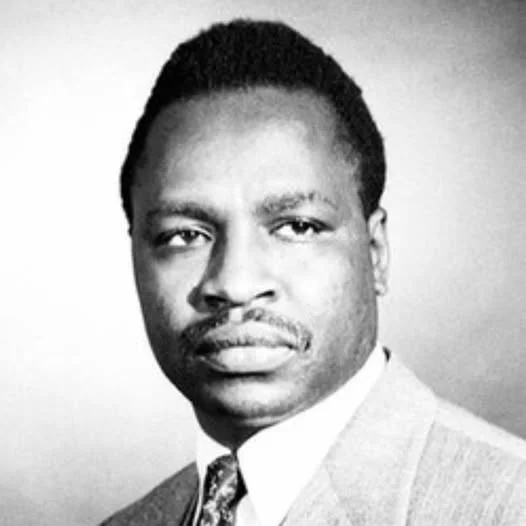
He came from a family displaced by colonial land policies. He joined the Mau Mau movement. He was detained for seven years. He later worked alongside Jomo Kenyatta — and eventually became one of the government's most outspoken critics.
His name was Josiah Mwangi Kariuki, popularly known as J.M. Kariuki.
Born in 1929, Kariuki grew up in a family whose land had been displaced during the colonial period. He initially struggled to remain in school, but later completed his primary education and attended King's College Budo in Uganda.
During the Emergency, he joined the Mau Mau movement and worked as a liaison officer. He was arrested in 1953 and spent about seven years in detention, being released in 1960.
After his release, Kariuki became involved in the politics that led to independence. Following independence in 1963, he served as Jomo Kenyatta's private secretary, a position he held until 1969. He also held government positions and served as an assistant minister.
But his political relationship with the government changed.
By the early 1970s, Kariuki was publicly criticising issues including inequality, land distribution and government policy. In 1974, he was elected MP for Nyandarua North.
It was during this period that he became famous for a phrase that entered Kenya's political vocabulary:
“Kenya has become a nation of 10 millionaires and 10 million beggars.”
The statement reflected his public criticism of widening economic inequality and the distribution of land and wealth in post-independence Kenya. Those criticisms were politically contentious, and contemporary and later accounts differ over the motives and responsibility surrounding what happened next.
On 2 March 1975, Kariuki disappeared after leaving the Nairobi Hilton. His body was later found in Ngong Forest.
Parliament established a Select Committee to investigate his killing. The committee identified senior police officers and other officials in its findings, but no one was ultimately punished, and the exact responsibility for the killing remains unresolved.
Kariuki's death triggered protests, including demonstrations by University of Nairobi students, and became one of the defining political events of the Kenyatta era.
J.M. Kariuki's story is therefore not simply the story of a politician.
It is the story of a man who lived through colonial rule, the Mau Mau struggle, independence and the difficult politics of Kenya's first decade after independence.
And his warning about “10 millionaires and 10 million beggars” remains one of the most remembered statements in Kenya's political history.